Living In International Falls: Housing, Schools, Daily Life
February 5, 2026
February 5, 2026
Thinking about trading traffic for pine-scented air, starry skies, and a life that revolves around water and seasons? International Falls sits on Minnesota’s northern edge, where Rainy Lake and the Rainy River shape daily life and winters make headlines. If you’re curious what it’s really like to live here, you’re in the right place. You’ll get a practical look at housing, schools, weather, work, and the small-town rhythms that make this border community feel like home. Let’s dive in.
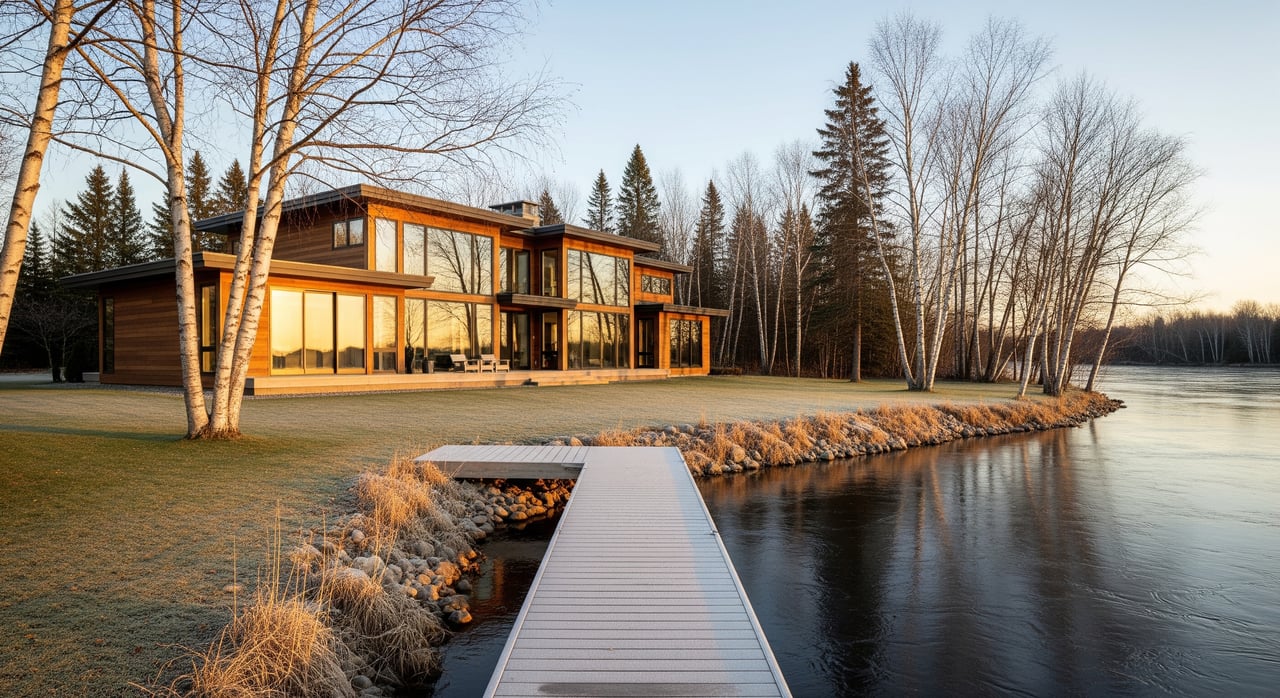
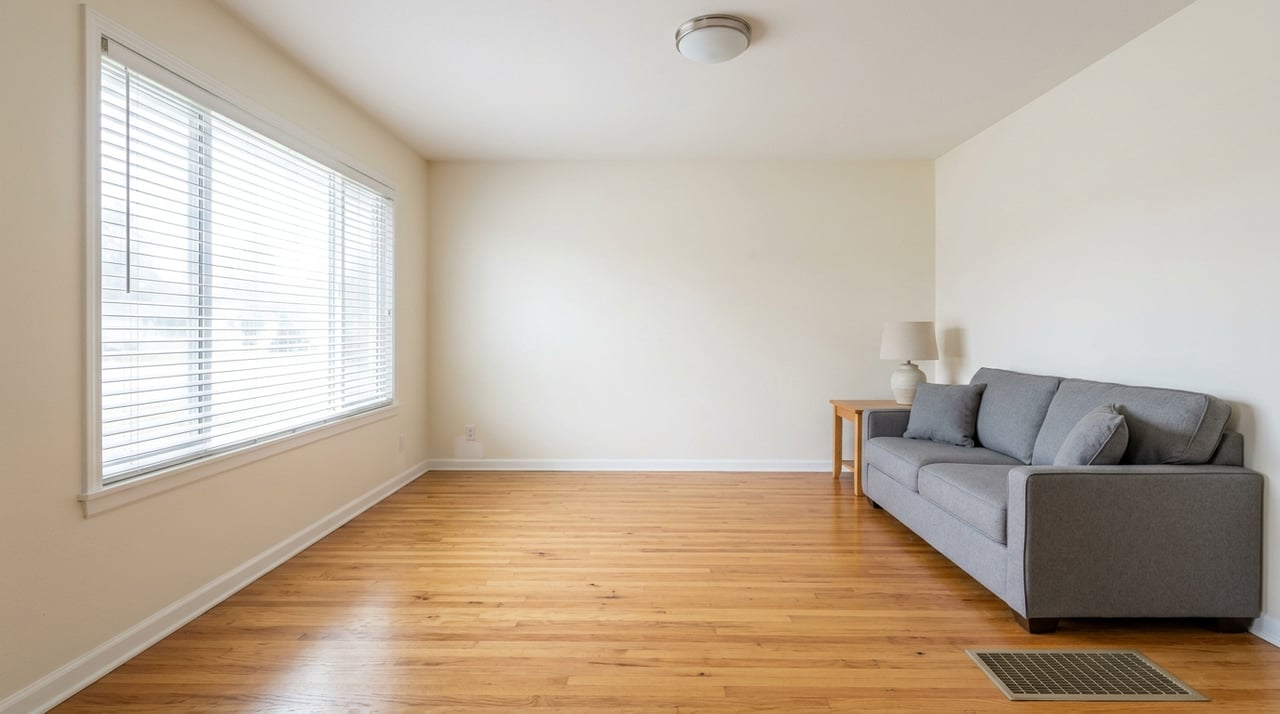
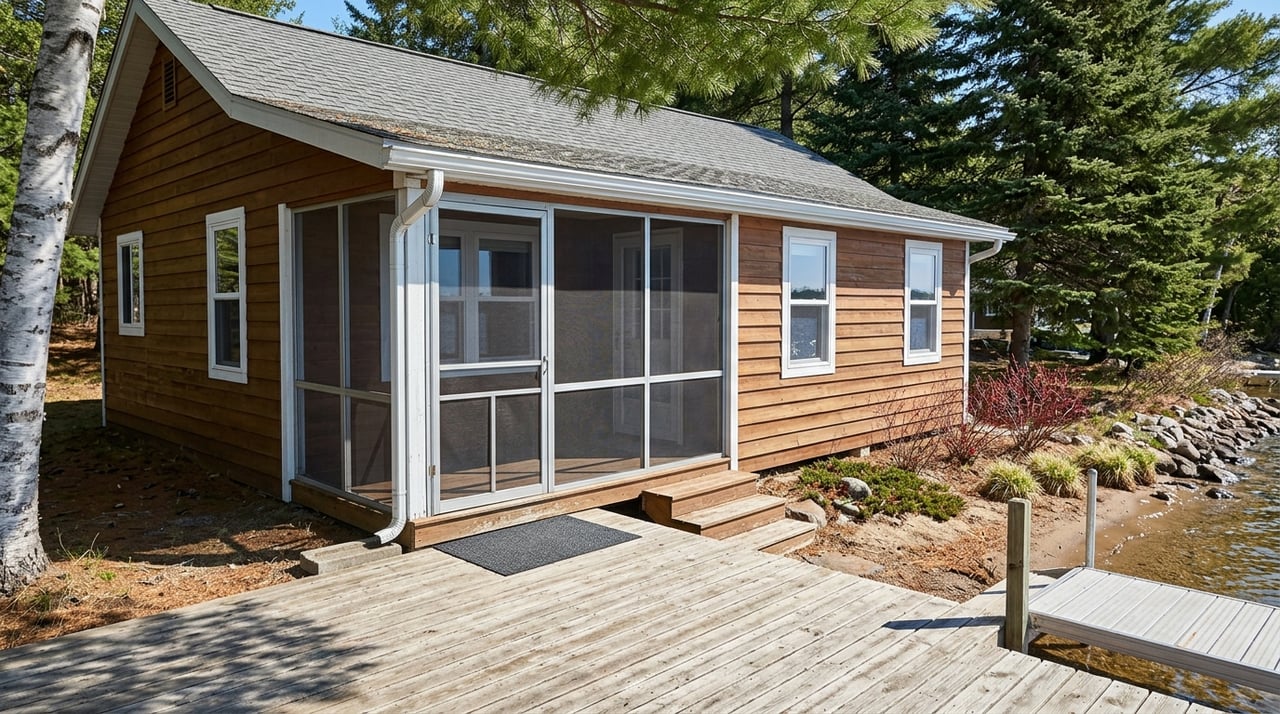
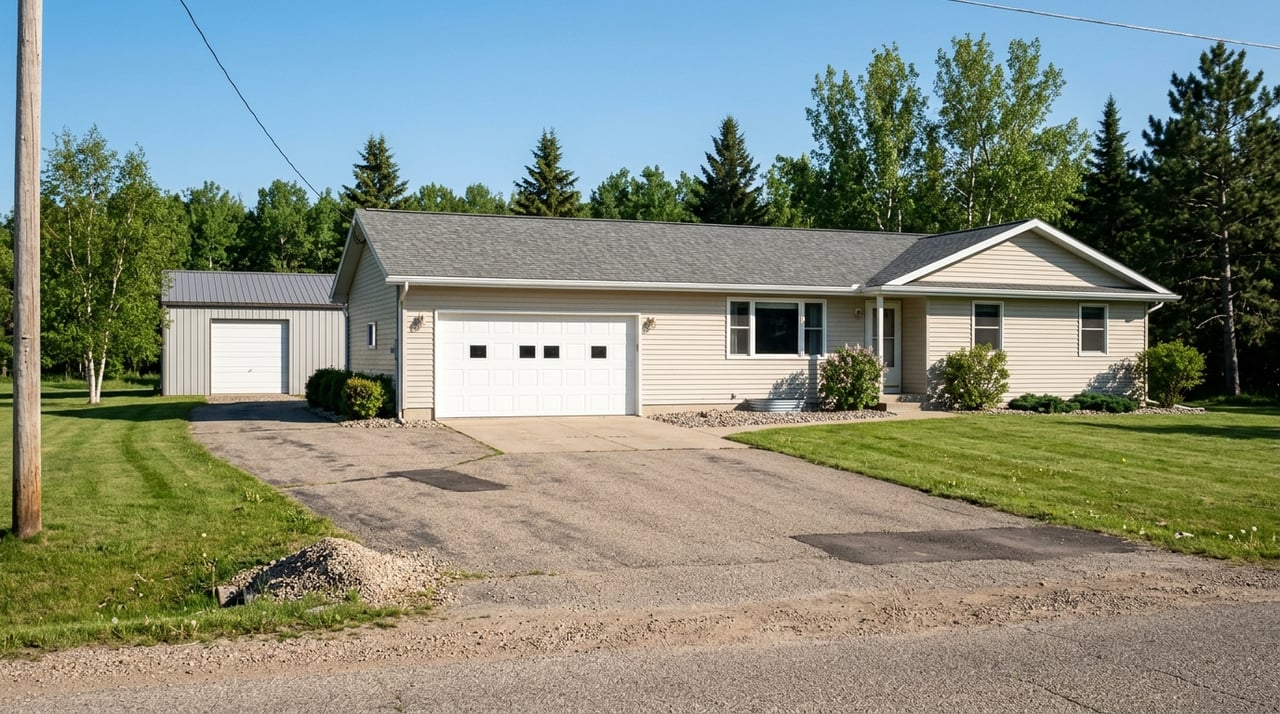
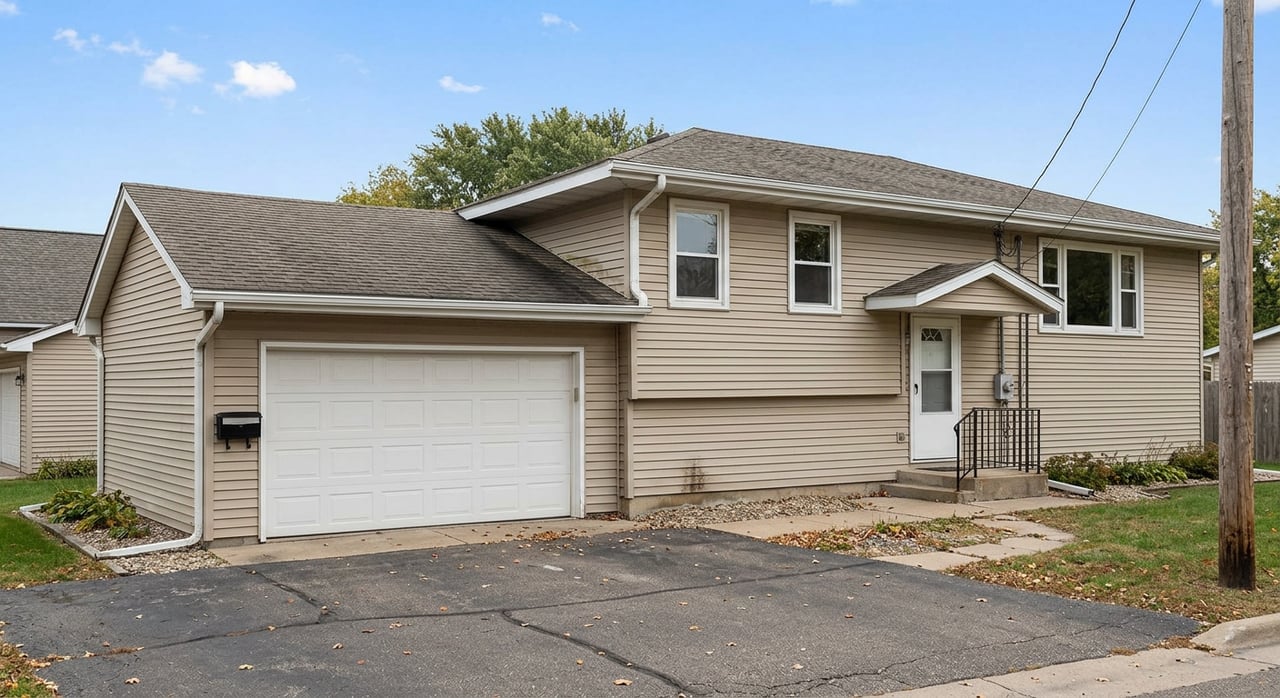
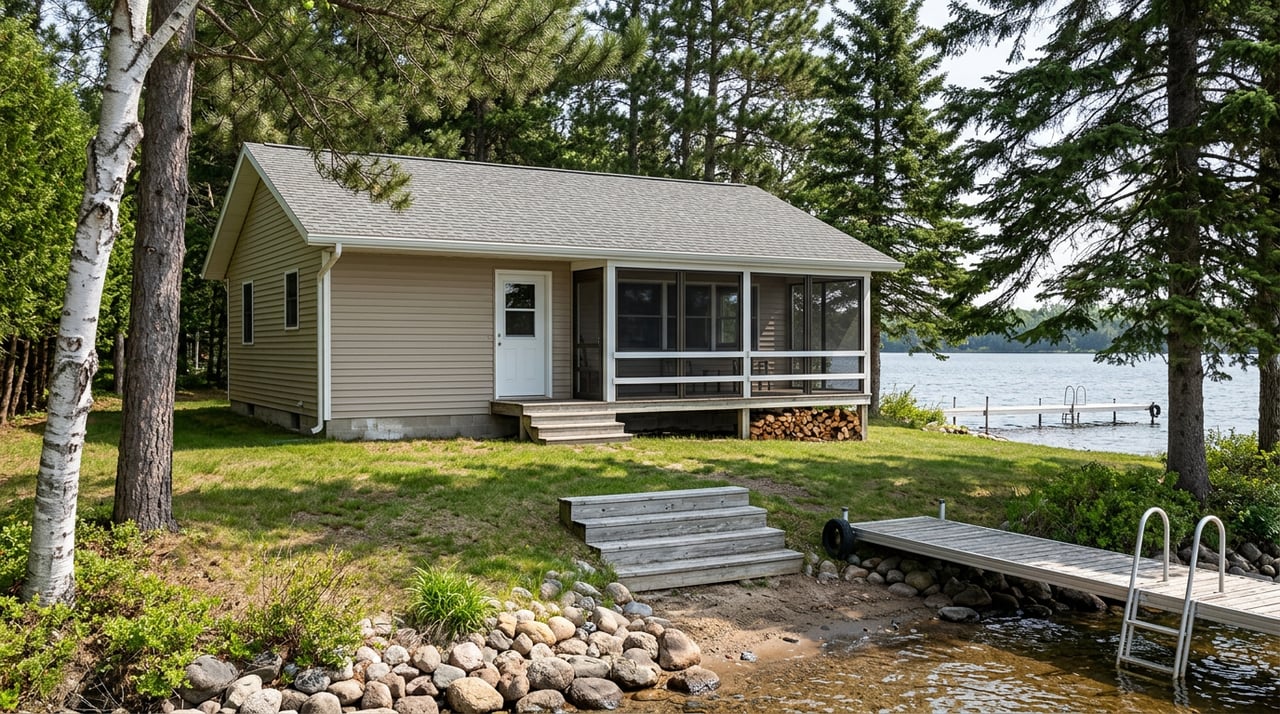
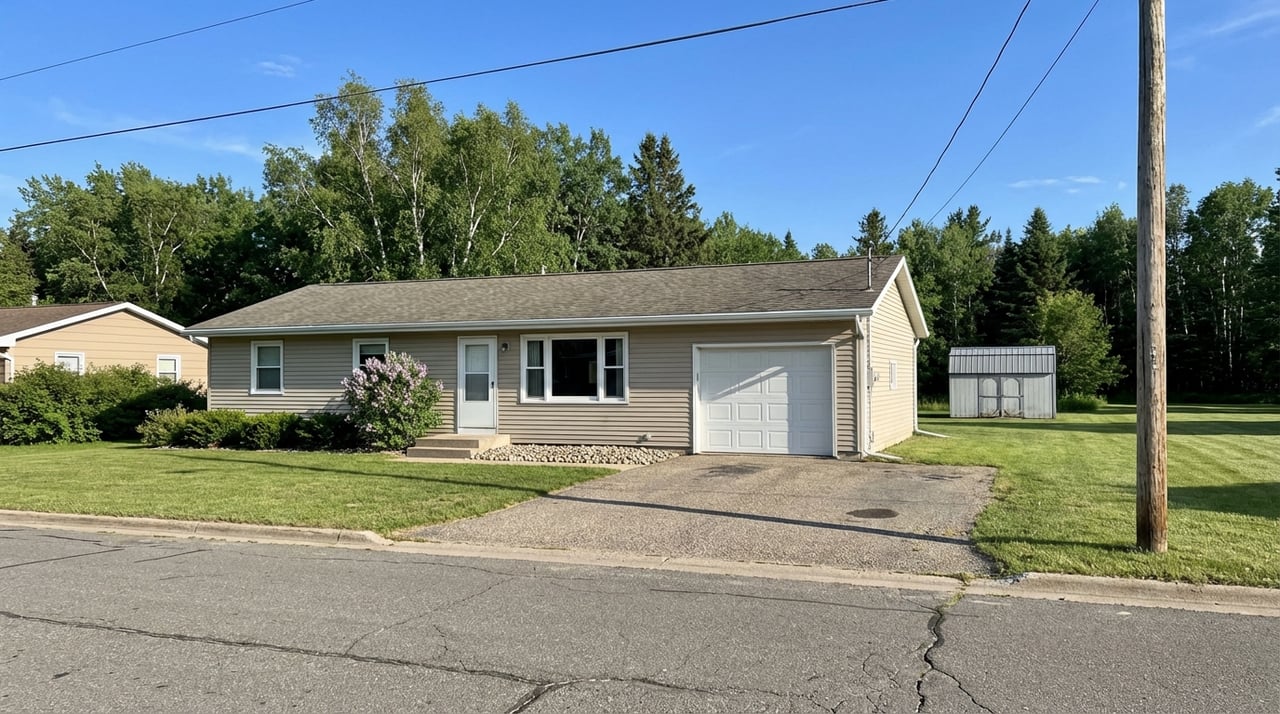
International Falls offers a wide mix of places to live. You’ll see classic single-family homes, a good number of mid-century properties, and seasonal cabins and lake homes near Rainy Lake. Multi-family options are limited compared to larger cities, and new-construction subdivisions are less common.
Inventory can feel tight at times, especially for homes that are move-in ready. Seasonal lake properties tend to follow tourism patterns. Prices are often below statewide medians, which can make ownership more approachable, especially if you’re flexible on location, age of home, and renovation needs.
Housing costs here are influenced by climate and distance. Heating is a major budget item. Depending on the property, you may see electric, propane, fuel oil, or wood systems. Natural gas is not universal, so confirm fuel type and age of equipment during your search.
International Falls is served by a local public school district with a community-centered feel. Class sizes tend to be smaller than in metropolitan areas, and you’ll find typical K–12 programs along with sports, arts, and career-focused options. Families should confirm school boundaries, open enrollment options, and bus routes directly.
For up-to-date district profiles, enrollment, and assessment data, check the Minnesota Department of Education Report Card. If childcare is part of your plan, start early. Availability in small communities can be limited, and waitlists are common.
There are no large universities in town. Many residents look to regional community colleges or four-year schools within driving distance, so consider commuting needs if continuing education is a priority.
You’ll find the essentials in International Falls. There are local grocery options, pharmacies, banking, and hardware stores. For specialty retail or major medical specialists, residents often plan trips to larger regional hubs or coordinate with providers across the border.
Healthcare services include local hospital and clinic care. For advanced care or specialized procedures, plan travel time to bigger cities. If telehealth is a consideration, confirm home internet speeds at your specific address before you buy.
Broadband access has improved in recent years, but speeds and providers can vary by street. Use the Minnesota Broadband Office tools to check availability and compare options.
Commutes are generally short by big-city standards. Many people work locally or in nearby communities. Winter weather is a factor in your daily schedule, so build in extra time when roads are snow covered.
International Falls lives up to its “cold winters” reputation. Expect long stretches well below freezing, with frequent snow and occasional extreme cold snaps. Summers tend to be short, sunny, and pleasant.
If you’re new to northern winters, basic preparation goes a long way. Review the National Weather Service’s climate resources to understand seasonal patterns and average temperatures for the area. You can start with the NWS climate portal.
Practical home and car tips:
Local employment often centers around government, education, healthcare, border and customs services, tourism, and resource-related fields like forestry and wood products. Small businesses and service jobs support the community and seasonal visitors.
Wages may trail metropolitan averages, but housing costs often help balance the equation. If you work remotely, confirm upload/download speeds before signing a lease or purchase agreement. Many newcomers blend a remote role with an outdoor-forward lifestyle, especially if they have dependable broadband at home.
For population and household context as you compare communities, explore the U.S. Census Bureau QuickFacts for International Falls.
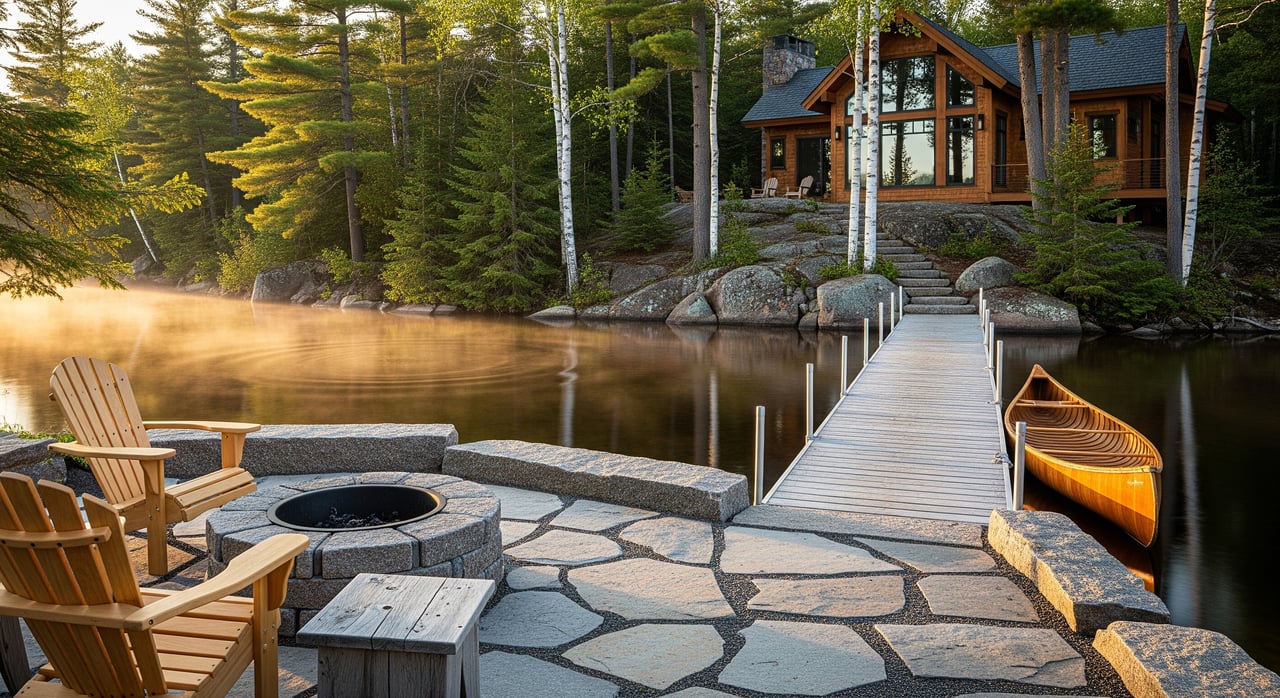
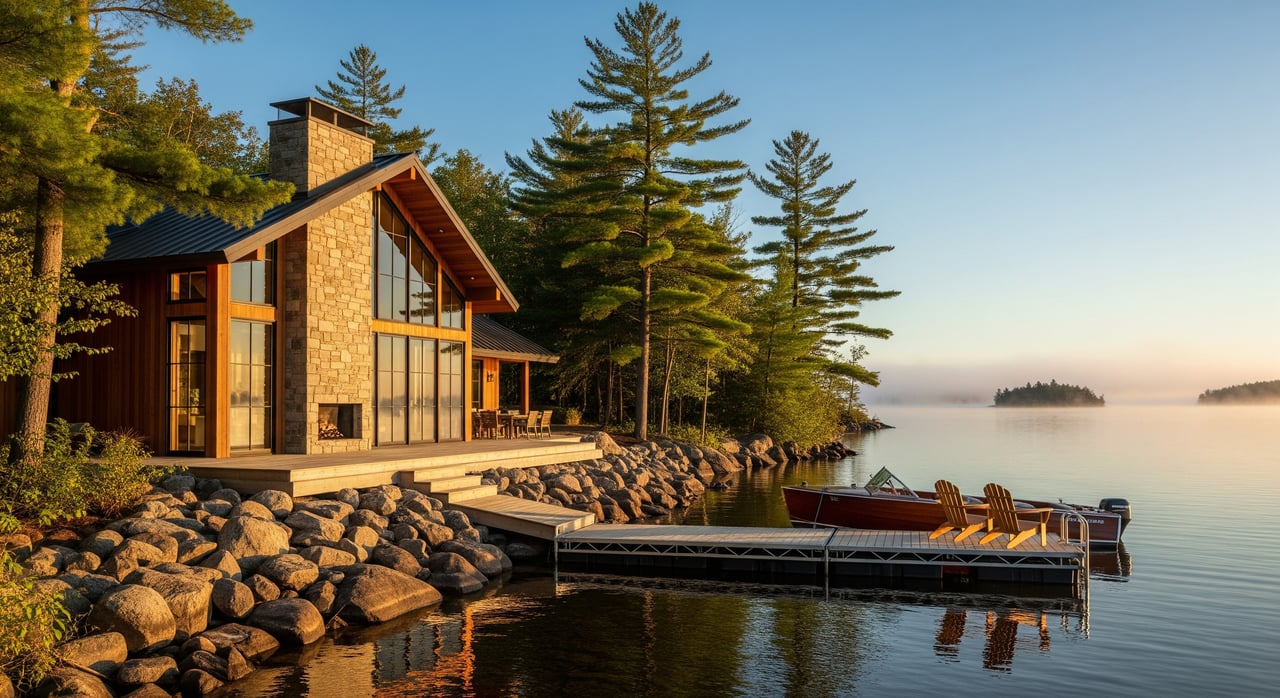
The outdoors is a big part of why people choose to live here. In winter, you’ll find snowmobiling, cross-country skiing, and ice fishing. When the weather turns, residents switch to boating, fishing, paddling, hiking, and evenings on the dock.
The city sits near Voyageurs National Park, a water-based park with a maze of islands and channels. Explore trails, night skies, and backcountry campsites through the official Voyageurs National Park site for maps and seasonal guidance.
Many homes include garages optimized for winter gear, mudrooms for boots, and storage for sleds or boats. You’ll quickly learn to plan your calendar around the seasons.
Use this quick list to make confident decisions and avoid surprises:
A local agent who knows the homes, the shorelines, and the seasons can help you avoid costly surprises. With construction know-how and deep roots in the Borderland, Cari provides practical insight on insulation, heating systems, and lake-specific details, along with a clear game plan for buying or selling across price tiers. Whether you’re aiming for a cozy in-town starter or a Rainy Lake retreat, you’ll get honest guidance and full-service marketing to reach the right buyers when it’s time to sell.
Ready to explore homes in International Falls and the Rainy Lake area? Schedule a consultation with Cari Rostie for local, construction-savvy advice tailored to your goals.
With a commitment to customer service second to none, Cari strives to make her buyers and sellers feel as though they are her only clients. In her real estate experience, she has built a strong base of loyal customers through dedication, ethics, and attention to detail. She is now bringing those same attributes to customers throughout Borderland.