Getting An Older Littlefork Home Ready To Sell
April 23, 2026
April 23, 2026
If you’re thinking about selling an older home in Littlefork, you may be wondering where to start and how much you really need to do. That is a fair question in a market where many homes are older and buyers tend to care most about condition, safety, and whether the home feels well maintained. The good news is that your house does not need to look brand new to make a strong impression. You just need to focus on the updates that matter most. Let’s dive in.
In Koochiching County, the housing stock is older than much of Minnesota’s. According to the Minnesota DEED county profile, about 64% of housing units were built before 1980, and only a small share were built since 2000. That means many buyers in and around Littlefork already expect older finishes.
What they do not want is a home that feels neglected. In most cases, it makes more sense to fix the items that affect safety, moisture, heating efficiency, and day-to-day function before spending heavily on a full remodel.
Northern Minnesota weather can be tough on homes. NOAA climate normals for International Falls show very cold winters and about 73 inches of annual snowfall, along with a long freeze season. In older homes, that often means buyers pay close attention to roofs, attics, basements, gutters, and foundations.
Before you list, look closely for signs of water intrusion or moisture problems. Stained ceilings, musty smells, damp basement areas, peeling paint, and soft spots around windows or doors can all raise red flags during showings and inspections.
The Minnesota Department of Health recommends repairing leaks quickly, maintaining gutters, checking foundations, and controlling moisture to help prevent mold. The same guidance points sellers toward checking common trouble spots like roofs, attics, crawl spaces, and sump pumps.
If you know a space has had moisture trouble in the past, it is usually better to address it before listing than to hope it does not come up later.
In Littlefork, heating performance matters. Buyers know winter is long, and they often notice drafty rooms, cold floors, or older systems that may need attention.
The Minnesota Department of Commerce notes that an advanced home energy audit can help identify what needs fixing, upgrading, or replacing. The same resource explains that adding insulation and sealing air leaks is one of the most cost-effective improvements for an existing home and can reduce heating and cooling costs by 15% or more.
That does not mean you need to take on a major energy retrofit before selling. It does mean it is smart to look at the basics.
Commerce also notes that attic air leaks are a primary cause of ice dams, which can damage shingles and let water into ceilings and walls. If your home has had ice dam issues, that is worth addressing before you go on the market.
Radon is one of the most important health-related items to handle early. The Minnesota Department of Health recommends that all Minnesota homeowners test their homes for radon and specifically advises testing before a real estate transaction.
This matters because a radon test is the only way to know the level. Minnesota Housing also notes through MDH-linked guidance that more than two in five Minnesota homes have radon levels that pose a significant health risk.
If your home has never been tested, or if you made changes such as finishing a basement or adding insulation, testing now can help you avoid surprises later. It also gives you more control over timing if mitigation is needed.
If your Littlefork home was built before 1978, lead-based paint should be on your checklist. This does not automatically mean you have a major problem, but it does mean there are disclosure rules you need to follow.
According to the EPA’s lead disclosure requirements, sellers of most pre-1978 homes must disclose known lead hazards, provide the EPA lead pamphlet, and give buyers a 10-day opportunity to test for lead. The EPA also explains that lead paint is often not a hazard when it is intact, but deteriorating paint can be a hazard.
That makes pre-listing prep fairly straightforward in many cases. If you have chipping, peeling, or damaged painted surfaces, especially around windows, trim, doors, or porches, it is wise to address them early and make sure your disclosure paperwork is handled properly.
A lot of longtime owners worry that they need to renovate everything before selling. In Littlefork, that is usually not the most practical path.
Koochiching County has a high owner-occupied rate and an older population profile, according to the U.S. Census QuickFacts for Koochiching County. Combined with the area’s older housing stock, that points to a market where many buyers understand older homes and are not necessarily expecting luxury finishes.
What matters more is whether the home feels solid, dry, safe, and cared for. A clean house with functioning systems often shows better than a partially updated house with unresolved repair issues.
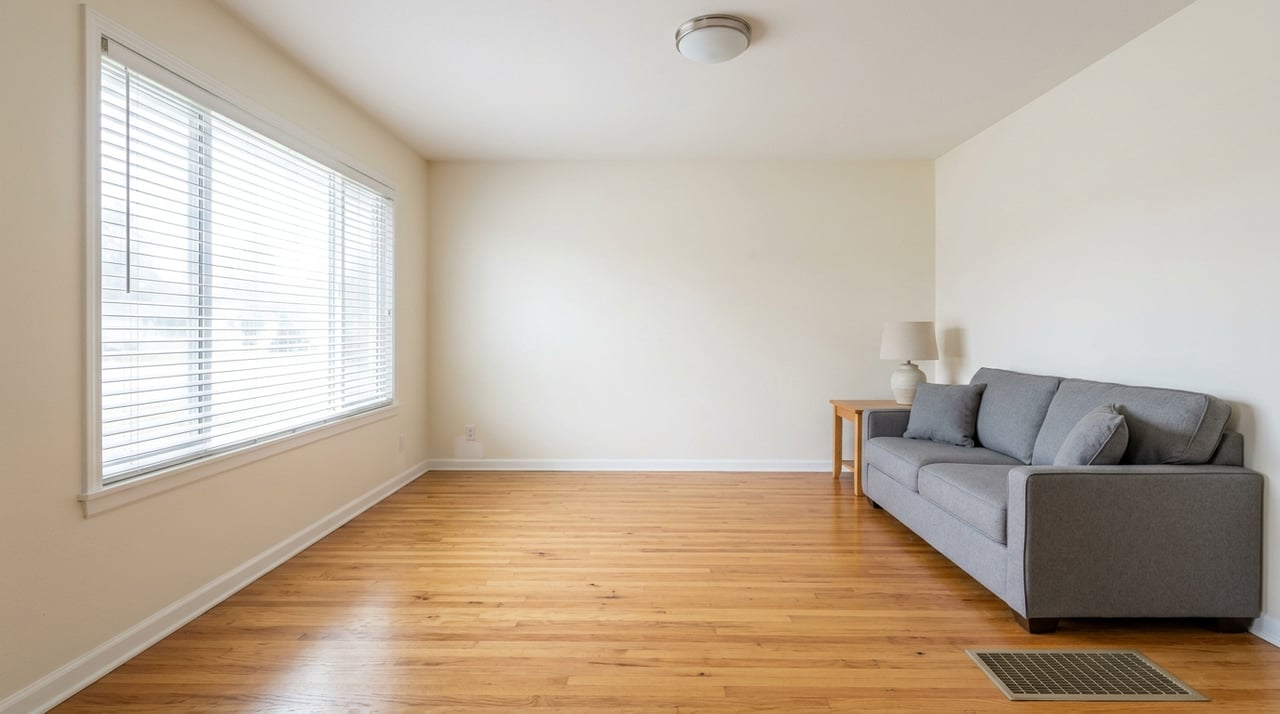
Once the major items are handled, small cosmetic updates can help your home feel brighter and easier for buyers to picture as their own.
You do not need high-end finishes to improve presentation. In many older homes, simple and affordable touch-ups can go a long way.
These improvements help buyers focus on the home itself rather than on small distractions.
Because northern Minnesota winters are such a big part of daily life, buyers often view homes through a practical lens. They may be asking themselves whether the house feels warm, whether snow and ice are manageable, and whether the property seems ready for another long season.
That means details like a dependable heating system, manageable drainage, solid roof lines, and functional doors and windows can leave a bigger impression than trendy finishes. If your home answers those practical concerns well, it is already doing important work during showings.
If you want a clearer picture of what to fix before selling, a pre-listing inspection or energy audit can be helpful. This is especially true if you have owned the home for many years and are not sure which issues a buyer will notice right away.
The Minnesota Department of Commerce energy guidance specifically points to advanced energy audits as a way to identify what needs fixing, upgrading, or replacing. For an older Littlefork home, that can help you make targeted decisions instead of guessing where to spend money.
A selective approach often works best. Rather than trying to modernize every room, you can focus on the repairs and improvements most likely to support a smoother sale.
For an older home in Littlefork, ready to sell does not mean perfect. It means the home feels maintained, honest, and functional.
In most cases, the best pre-sale plan looks something like this:
That kind of preparation helps buyers feel more confident, and confident buyers are often easier to work with once your home hits the market.
If you’re getting ready to sell an older Littlefork home and want practical guidance on what is worth fixing before you list, Cari Rostie can help you build a smart plan that fits your property, your timeline, and your goals.
With a commitment to customer service second to none, Cari strives to make her buyers and sellers feel as though they are her only clients. In her real estate experience, she has built a strong base of loyal customers through dedication, ethics, and attention to detail. She is now bringing those same attributes to customers throughout Borderland.