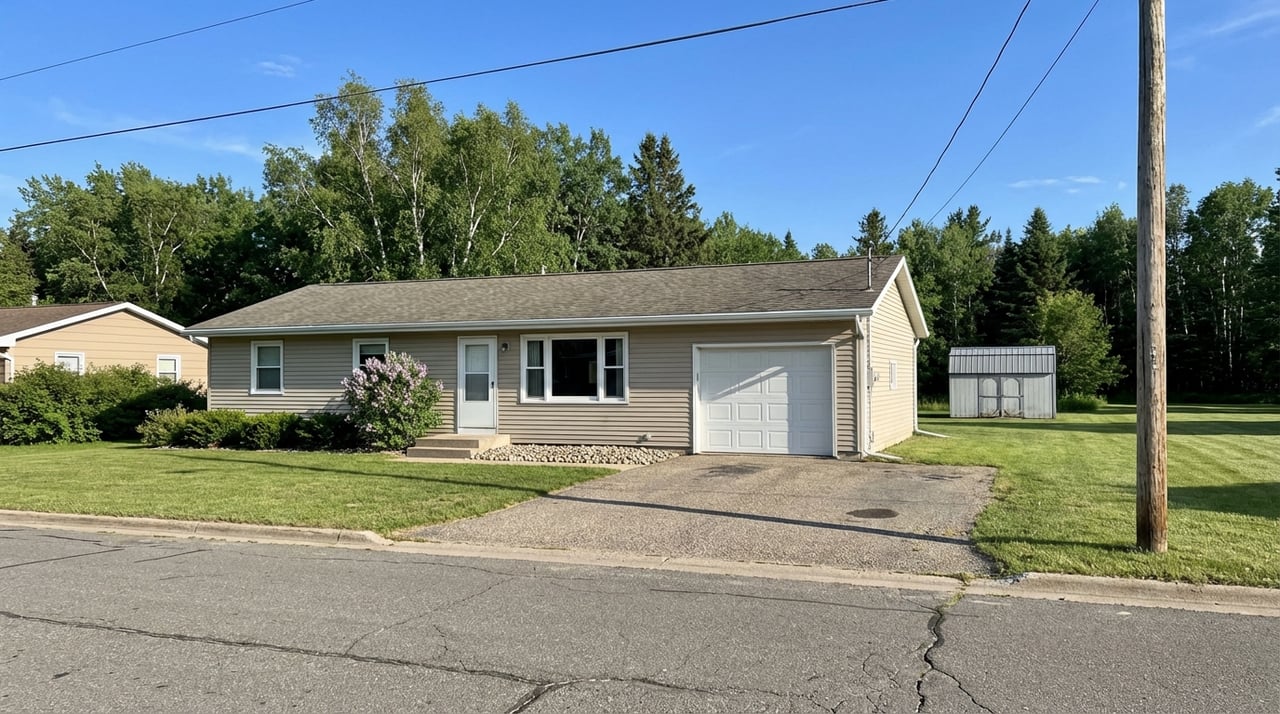
In-Town Or Country Living Near International Falls
February 19, 2026
February 19, 2026
Torn between the convenience of town and the open space of the country near International Falls? You are not alone. Choosing where to live in Koochiching County comes down to what you value most in daily life and long-term costs. In this guide, you will learn how utilities, roads, broadband, zoning, taxes, and resale differ inside city limits and on rural parcels. Let’s dive in.
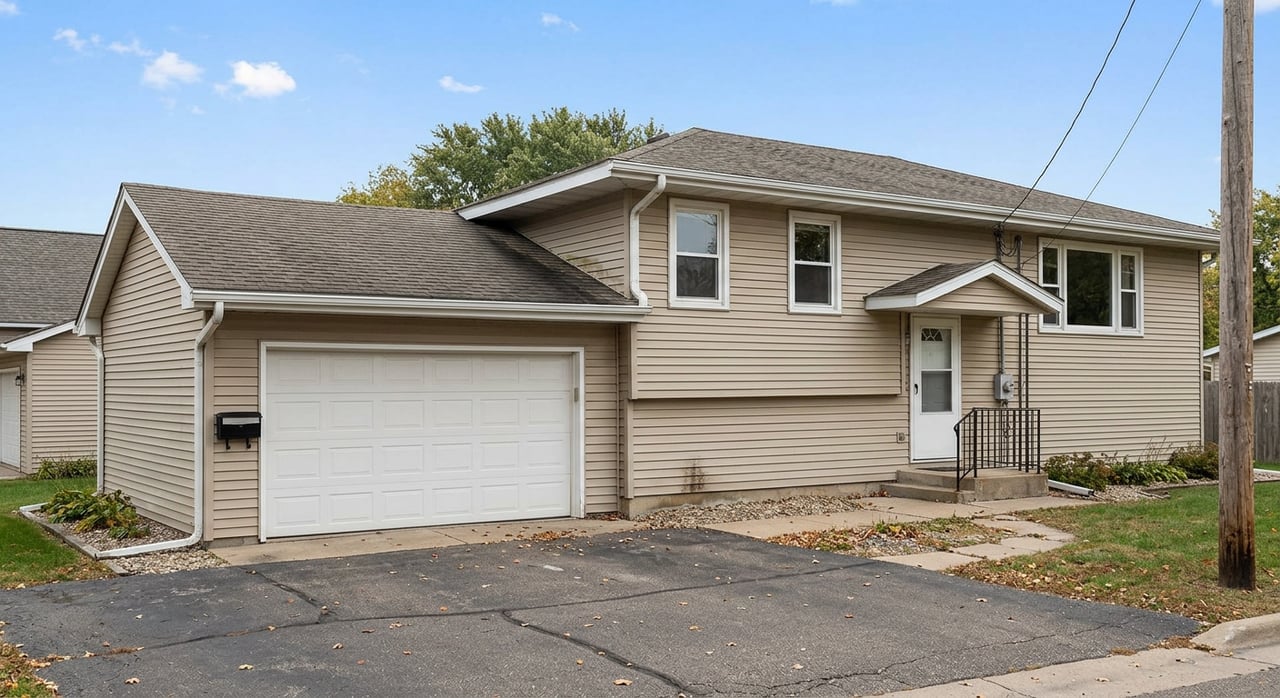
If you want predictable services and lower day-to-day maintenance, in-town International Falls is a strong fit. Most homes connect to municipal water and sewer, which means the City treats and monitors drinking water from the Rainy River under a direct-filtration process and publishes quality results in a Consumer Confidence Report. You can review how the system works on the City’s page about water and sewer. To confirm if a specific property is on city service or can be connected, check availability with City Public Works before you buy or build.
City streets and sidewalks are maintained by the International Falls Street Department, which follows a published Snow and Ice Control Policy. Priority routes get plowed and sanded first. The City does not plow private driveways, but you benefit from consistent schedules and quicker municipal response on public roads in most conditions.
Broadband is often more available in town blocks where cable or fiber runs, though service can still vary by street. If reliable wired internet is a must, ask providers about speeds at the address and request a confirmation in writing. A quick on-site speed test during a showing can also save surprises.
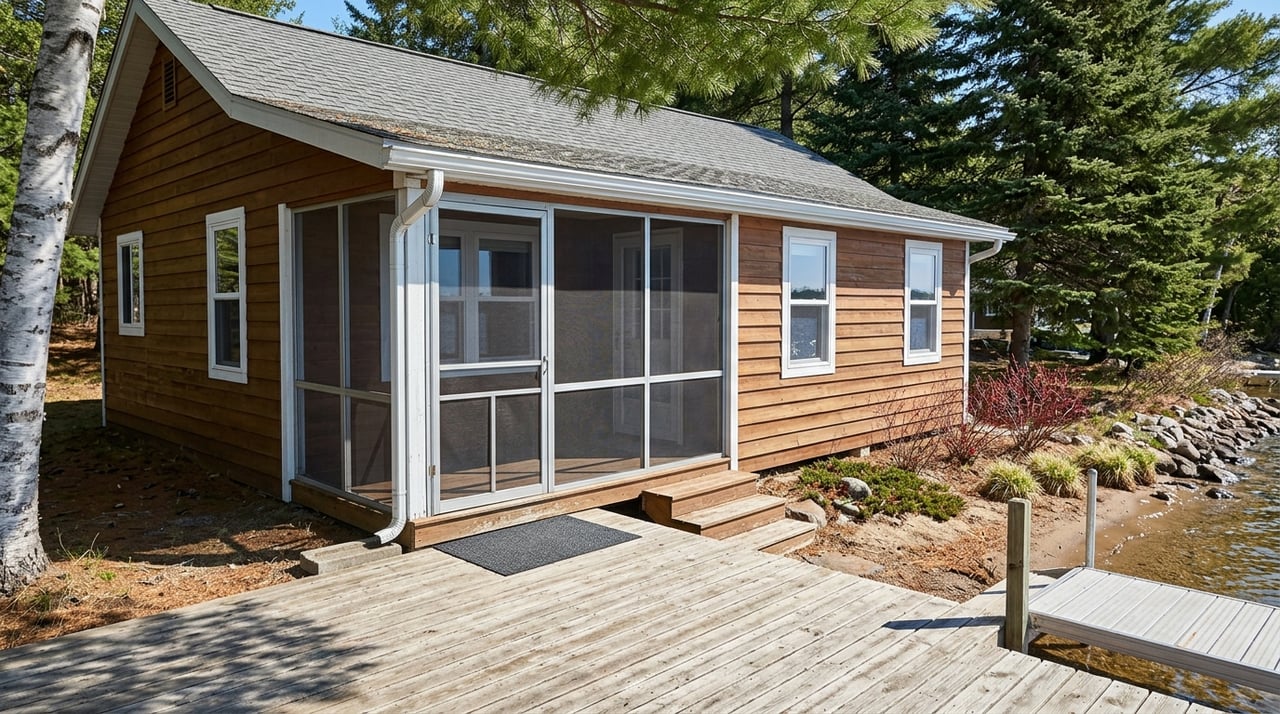
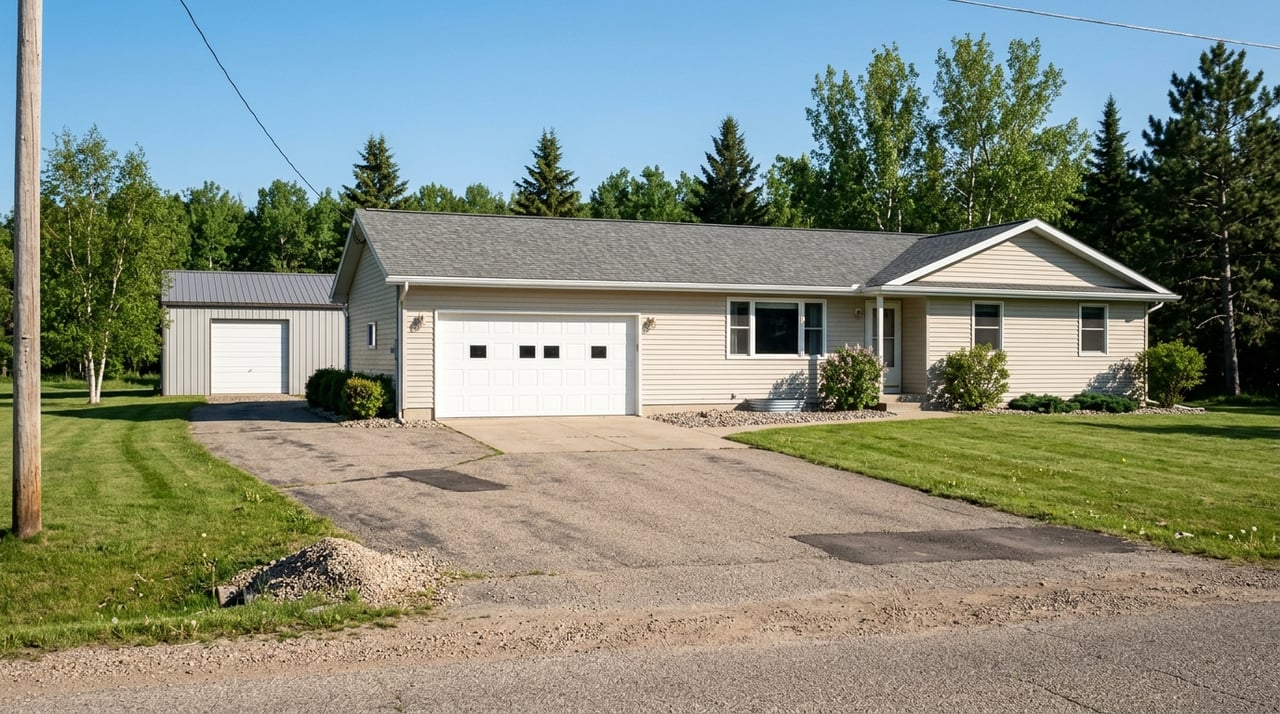
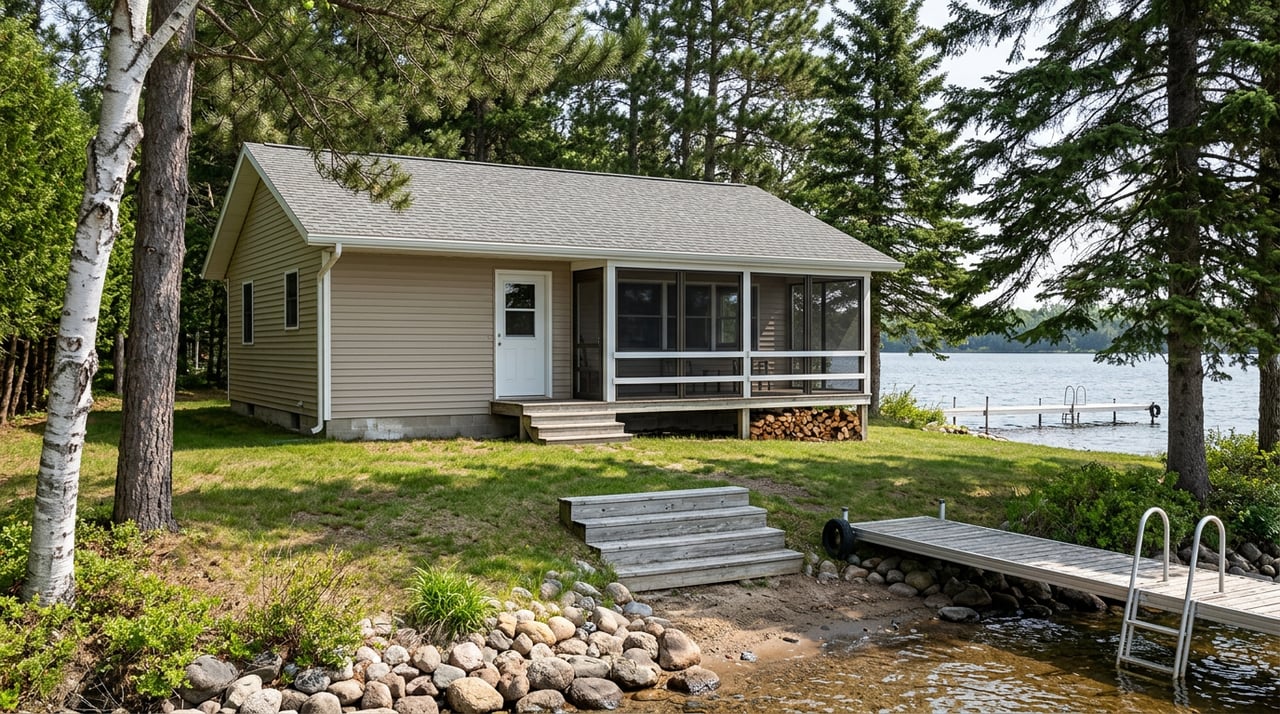
If you want acreage, elbow room, or room for outbuildings and hobbies, rural Koochiching County delivers. Outside city limits, homes typically rely on a private well and a septic system. The County’s Environmental Services department handles septic permitting, inspections, and ordinance enforcement. Septic feasibility depends on soils, setbacks, wetlands, and whether shoreland rules apply. Plan for soil testing and permits, and budget for a more complex design if conditions are tight or near sensitive areas.
Road care shifts outside the city too. Koochiching County and local townships maintain rural roads. Grading of gravel, frequency of snow removal, and spring load limits can differ by road. In some severe storms, drifting and slower plow cycles are possible on less-traveled routes. Ask who plows your road, how often, and whether access is maintained year-round.
Trash and recycling also look different in the country. Rural residents often haul to the County Transfer Station or canister sites, or they arrange a private hauler. In town, curbside pickup is more common through private providers.
For broadband, county and independent analyses show roughly 73 to 75 percent of locations meet a 100/20 Mbps benchmark. That still leaves gaps in rural pockets, where many households rely on fixed wireless or satellite. Before you commit to a rural parcel, confirm what providers serve the exact address and run a speed test if you can.
Inside city limits, the City publishes plow priorities and handles snow and ice control on city streets. State and county routes are cleared through coordination with MnDOT and the County. This gives in-town buyers a more predictable winter routine.
In rural areas, maintenance is handled by Koochiching County or the local township, and service levels vary. Before you close on a country property, call the County Highway Department to ask about winter maintenance on your access road, seasonal weight limits, and whether the road is maintained year-round. If your parcel fronts a county road, driveway access usually requires a permit from the Highway Department. For mail service, the County replaces compliant swing-away mailbox supports that are damaged by county equipment. Mailboxes themselves are not replaced by the County, so check installation standards before you set one up.
In-town parcels follow the City of International Falls zoning map and building codes. If you plan a remodel or an addition, or you want to confirm what is allowed on your lot, start with the City’s Building and Zoning office and its interactive tools. Smaller urban lots and municipal setbacks are the norm.
Outside the city, Koochiching County Environmental Services administers planning and zoning, including shoreland, floodplain, and septic rules. Wetlands are common near lakes and rivers, and many rural parcels require early conversations about buildable area, driveways, and septic placement. The County’s Planning and Zoning Applications page outlines the process, and staff can help you understand which rules apply to your site.
Lot sizes differ in practice. City lots are designed for municipal hookups and closer spacing. Rural parcels are often sold as acreage that can range from one acre to several dozen acres. In the country, septic suitability, setbacks, and wetlands often determine the buildable footprint more than a one-size-fits-all minimum. Ask for any past soil tests, septic permits, or pre-application notes when you evaluate a rural lot.
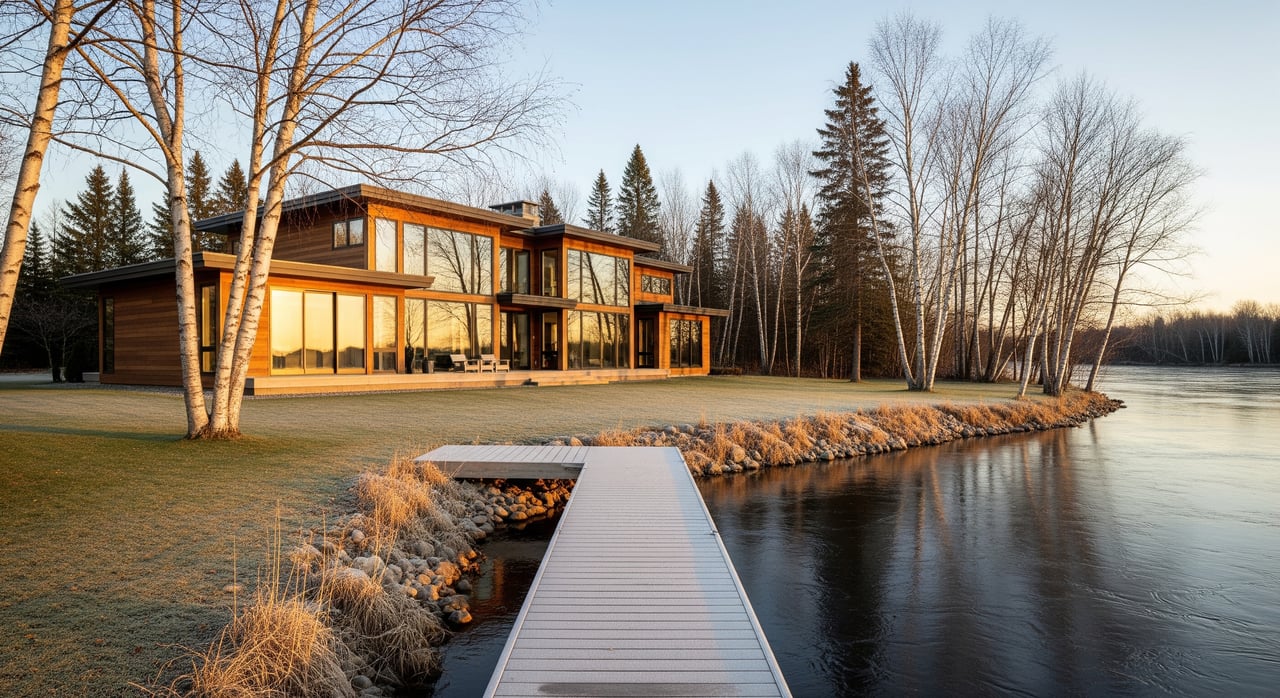
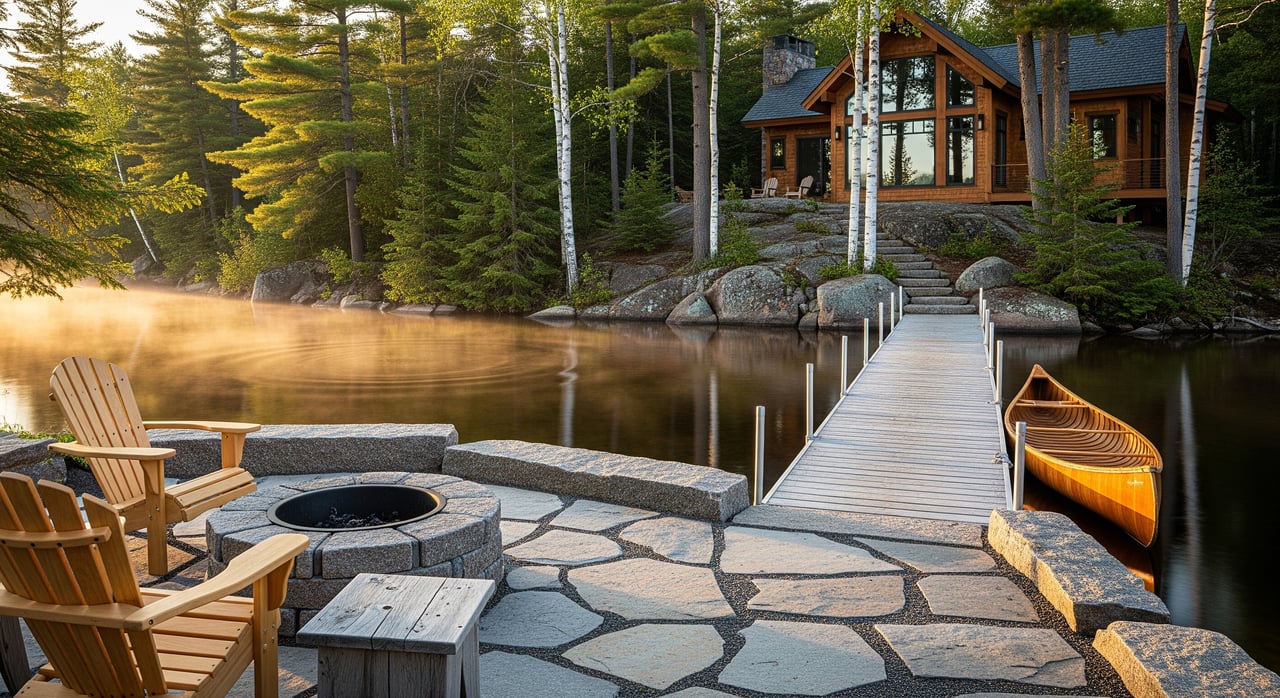
If your property is near the Rainy River or area lakes, check floodplain and shoreland designations through City or County resources. Shoreland rules can influence where you build, the size of structures, and vegetation management near the water.
Property taxes are structured by assessed value, classification, and local levies. The County Assessor estimates market value and classification. City residents usually pay a higher city levy because city services like police, water and sewer infrastructure, and street maintenance are funded that way. Rural residents may have a smaller local levy at the township level, while county and school levies are shared across the area. For exact parcel history and estimates, review records with the Assessor or Auditor.
On pricing context, International Falls has been a more affordable market compared with statewide medians. That said, prices change by neighborhood and property type. If you want current comps, request a local market analysis before you set your budget or your list price.
For resale, in-town homes often benefit from municipal utilities, predictable road access, and proximity to services, which can broaden the buyer pool. Rural properties attract buyers who want privacy, acreage, or recreation access. Resale strength in the country often depends on a permitted septic system, known well data, year-round road access, and confirmed wired broadband. A remote parcel that lacks one or more of those features may take longer to sell, while a rural home that checks those boxes usually earns stronger interest.
Use these three prompts to focus your choice:
Whether you land in town or out in the pines, your decision should feel informed and confident. If you want help weighing trade-offs, checking utility or zoning details, or pricing a sale, reach out to Cari Rostie for local, construction-savvy guidance. Schedule a consultation.
With a commitment to customer service second to none, Cari strives to make her buyers and sellers feel as though they are her only clients. In her real estate experience, she has built a strong base of loyal customers through dedication, ethics, and attention to detail. She is now bringing those same attributes to customers throughout Borderland.