Living The Lake Life In Kabetogama
January 1, 2026
January 1, 2026
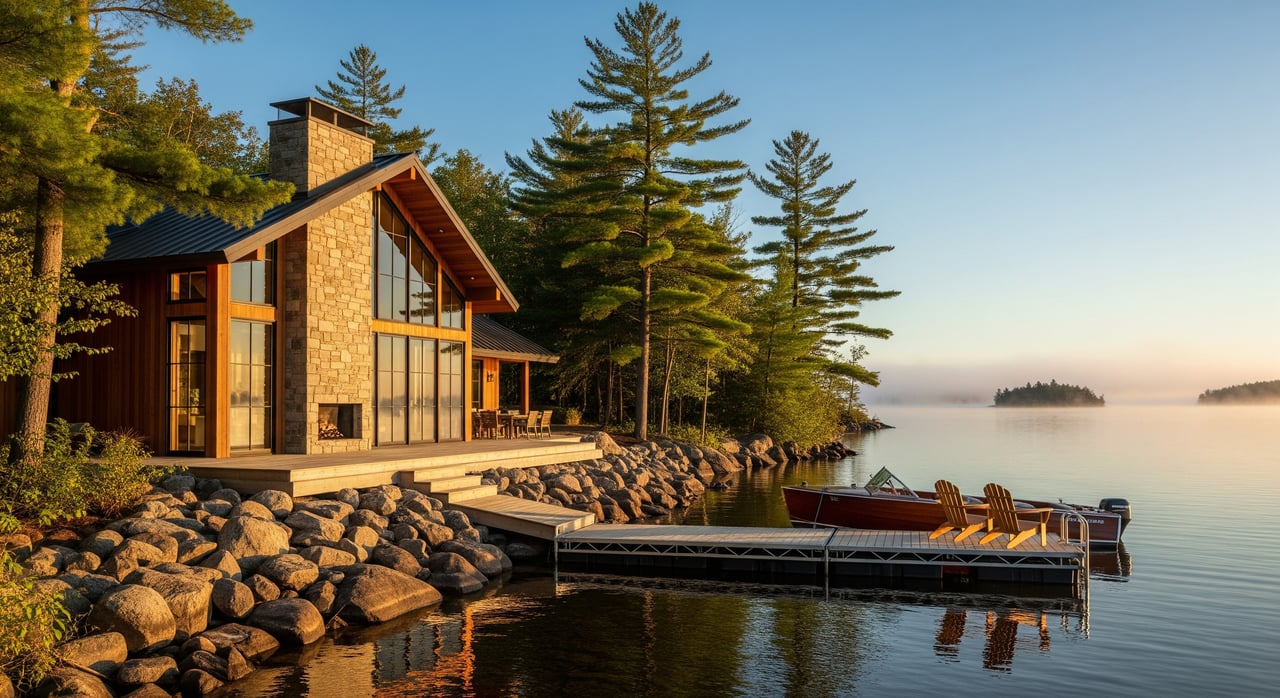
What if your morning commute was a quiet boat ride across glassy water, loons calling in the distance, and your destination a tucked‑away cove in Voyageurs National Park? If you’re drawn to simple, lake‑centered living, Kabetogama offers a rhythm that feels both grounded and free. You want clarity on what life really looks like here, how the seasons shape your days, and what to know before buying a cabin, island place, or year‑round home. This guide walks you through the lifestyle, boating access, services, and property basics so you can plan with confidence. Let’s dive in.
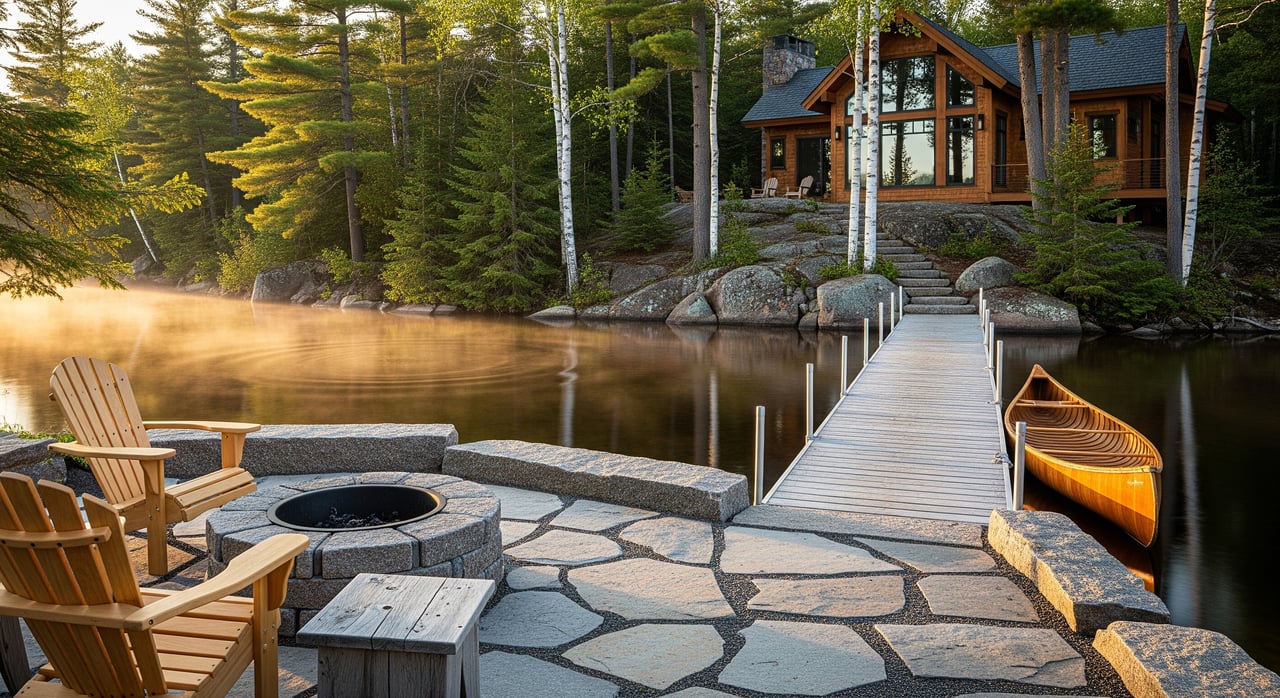
On a summer morning, you might launch from your dock, run to a nearby marina for fuel and bait, then head into the bays to fish or explore. Because Voyageurs National Park is water‑based, much of your recreation flows naturally into the park’s island chains and quiet shorelines. Afternoons often mean swimming off the dock, slow pontoon rides, or a quick trip to a resort for dinner.
Winter swaps boats for snowmobiles and skis. When the ice is safe, you’ll see sled tracks to island cabins and portable fish houses out on the flats. Travel is slower and weather‑dependent, and your planning shifts to fuel, heat, and backup power. The pace is peaceful, but it rewards preparation.
Boating is how you reach most park sites, day‑use areas, and backcountry camps. Voyageurs is set up for water travel, and many facilities are boat‑only in summer. Start with the park’s overview to understand the layout and options in this unique water‑based system. You can explore the area on the Voyageurs National Park site.
Before you go, check regulations for passengers, camping reservations, and fire safety. The park posts current boating guidance, including navigation basics and access points. Review the latest details on boating in Voyageurs National Park and plan a conservative route. Weather can shift quickly on northern lakes, and fuel or pump‑out services may operate limited hours outside peak season.
You’ll find a mix of public launches and private marinas around Kabetogama. Public ramps are listed by the state, and private marinas often offer seasonal slips, fuel, bait, and limited repair work. To locate state‑managed ramps, look up Minnesota DNR public water access.
Marinas serve as hubs for lake life. Many post weather notes, guide contacts, and community bulletins. Services vary by season, so call ahead for fuel hours, pump‑out availability, and slip reservations. In the fall, plan winter storage or haul‑out early, since slots fill quickly.
For safety throughout the year, review Minnesota DNR boating safety. When lakes begin to freeze or thaw, consult DNR ice safety guidance and check local reports before venturing out.
You’ll see three common options, each with its own lifestyle and logistics.
Island ownership is rewarding if you enjoy planning and problem‑solving. You will move people and supplies by boat, and sometimes by snowmobile. Expect to coordinate fuel, propane, and generator or solar power if grid service is limited. For shoreline work or dock changes, permits can involve county shoreland rules, state public waters regulations, and in some cases federal review. Start early and document your access and docking rights.
If your project may affect navigable waters, the U.S. Army Corps of Engineers explains permit pathways. Begin with the USACE Regulatory Program and permits to understand when federal review applies.
Use this quick list to focus your due diligence.
On big northern lakes, conditions change quickly. Build in extra fuel, keep a paper chart or GPS, and file a simple float plan with someone you trust. Review park and state rules before you go. For boating inside the park, see Voyageurs boating guidance and keep current on DNR boating safety. When ice forms or breaks up, use extra caution and consult DNR ice safety.
If you love the idea of stepping into a life shaped by water and seasons, Kabetogama is a rare fit. You will find the community centered around marinas and lake associations, a national park in your backyard, and a range of properties from cozy camps to four‑season homes and secluded islands.
When you are ready to tour, compare utilities, and talk through winterization and access, connect with a local who knows the shoreline and construction details. With deep roots in the Borderland and hands‑on building know‑how, Cari Rostie can help you sort the options and move at your pace.
With a commitment to customer service second to none, Cari strives to make her buyers and sellers feel as though they are her only clients. In her real estate experience, she has built a strong base of loyal customers through dedication, ethics, and attention to detail. She is now bringing those same attributes to customers throughout Borderland.