International Falls Housing Market Explained
December 4, 2025
December 4, 2025
Wondering why some homes in International Falls sell quickly while lake cabins wait for summer? You are not alone. In a small northern market with two very different segments, numbers can jump even when only a few listings change hands. This guide breaks down how to read the data, what to expect by property type and price band, and how to time your move with confidence. Let’s dive in.
International Falls and greater Koochiching County run on a thin, seasonal market. There are two main segments: in-town residential homes and lake-adjacent or recreational properties. Each segment draws different buyers, moves at different speeds, and often negotiates differently. Because sales counts are small, a handful of closings can swing medians and days on market from month to month.
Seasonality is real, especially for waterfront. Spring through summer usually brings more showings and offers. Fall and winter can be quieter for cabins, which sometimes creates better negotiating room for patient buyers. In-town homes see more steady activity year-round, tied to local moves, job changes, and downsizing.
When you look at any snapshot, remember sample size. A single fast sale or a unique lake parcel can skew the numbers. You will get the clearest picture by separating in-town from lake properties and by reviewing rolling six or twelve-month trends, not a single month.
Understanding a few simple metrics will help you read the market the way seasoned locals do.
Think of it like this: if there are 10 active lake listings and 2 sell each month on average, that is 5 months of inventory. Buyers have time to compare options, but well-prepared listings can still move.
In-town homes and lake-adjacent properties sell to different buyer pools with different needs. Knowing which segment you are in sets realistic expectations.
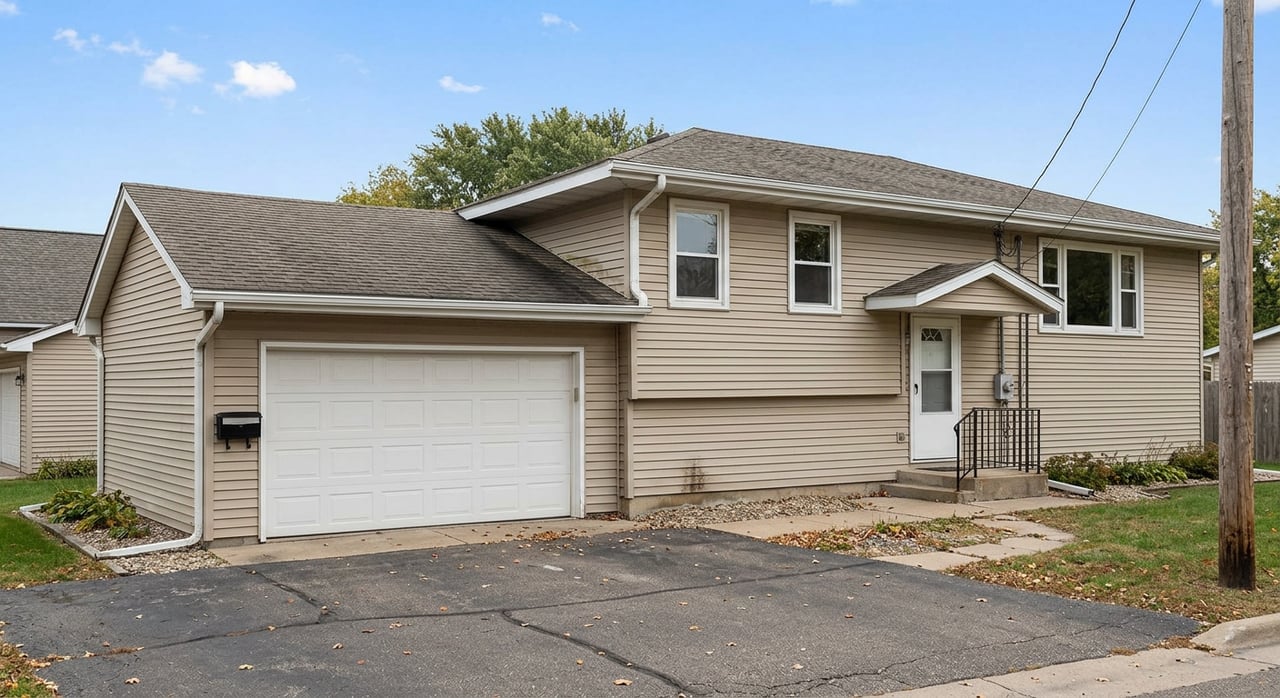
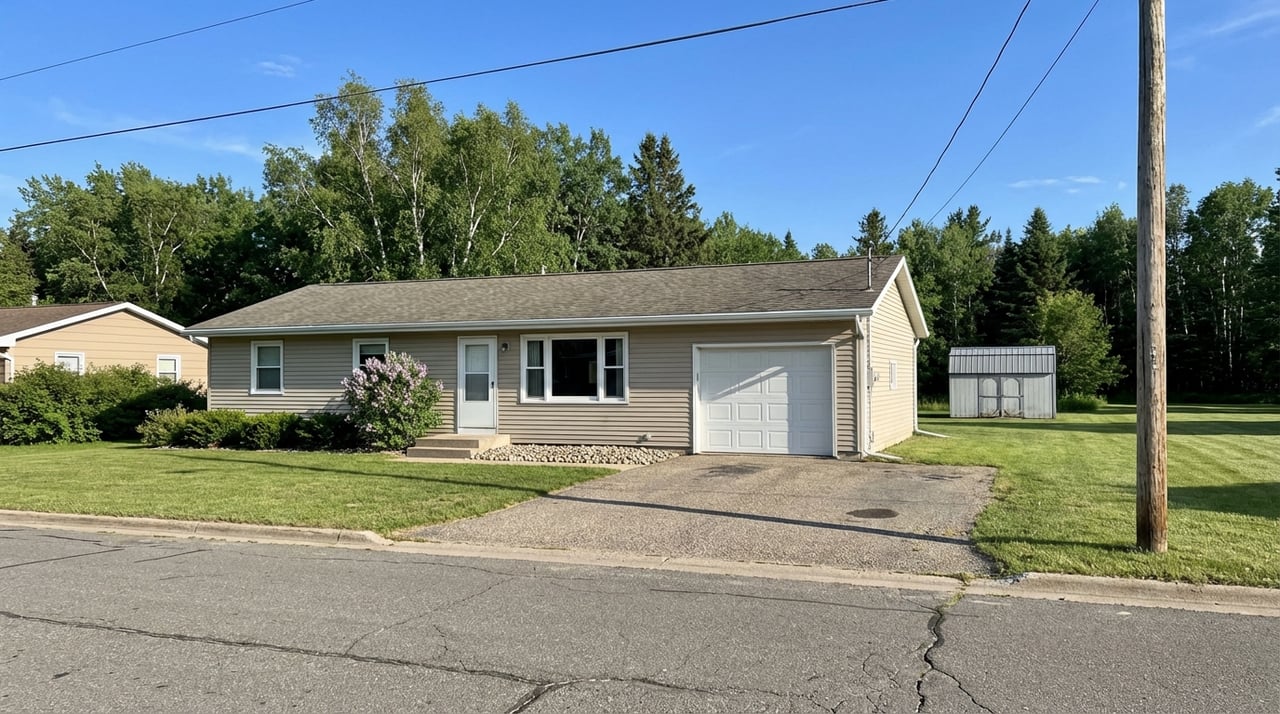
These year-round properties include single-family homes, duplexes, townhomes, and some small multifamily. Buyers here tend to be local employees, families, and downsizers. Utility access, winter readiness, and overall condition matter a lot. Financing is usually straightforward, and pricing is tied closely to features, updates, and location within town.
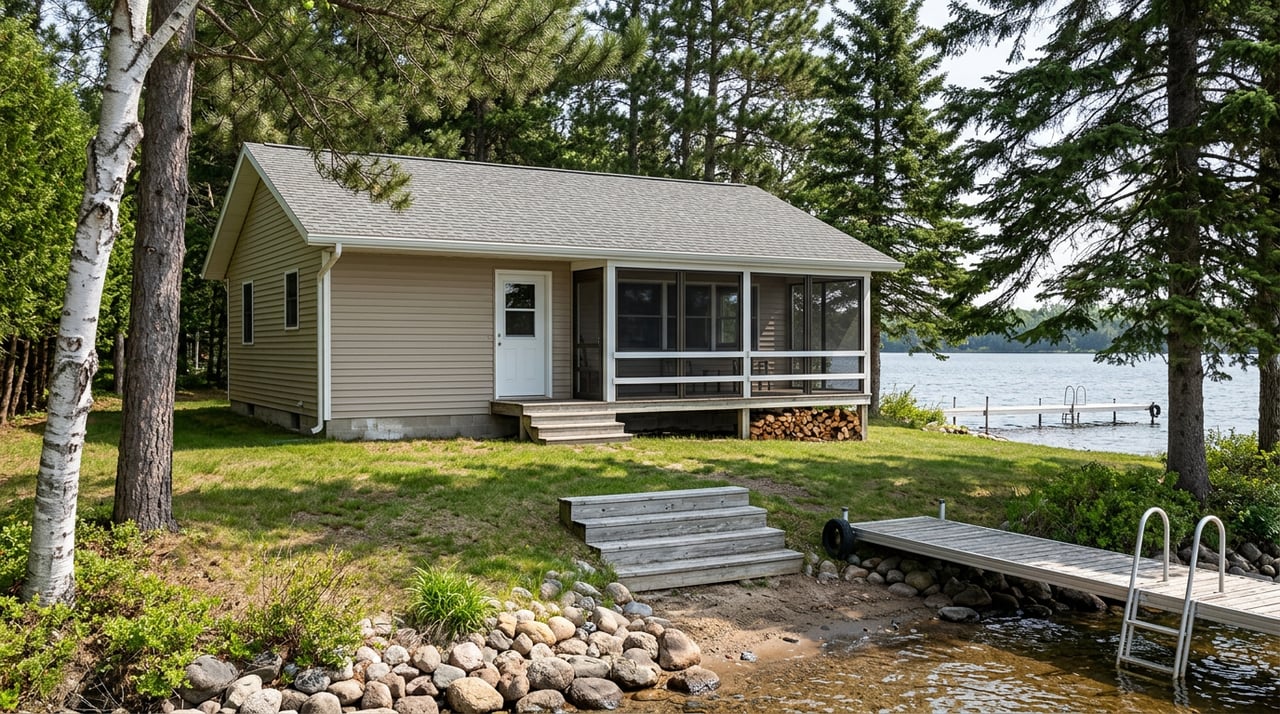
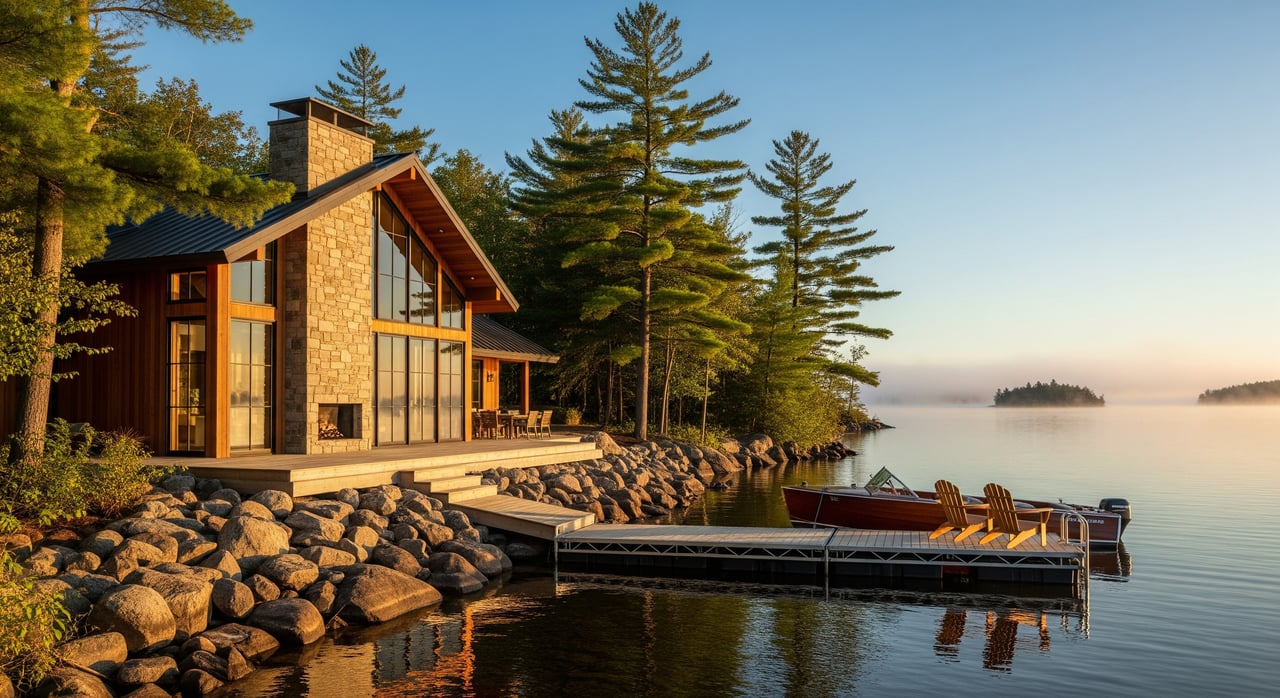
Waterfront and near-water properties often attract regional and out-of-area buyers. Presentation counts, since these listings compete across a wider geography. Value depends heavily on shoreline type, dock and boat access, year-round road access, utilities, and whether the property is truly year-round or seasonal. Financing and appraisal can be more complex because comparable sales are limited and features are unique.
Rather than exact cutoffs, use these descriptive bands to self-classify listings.
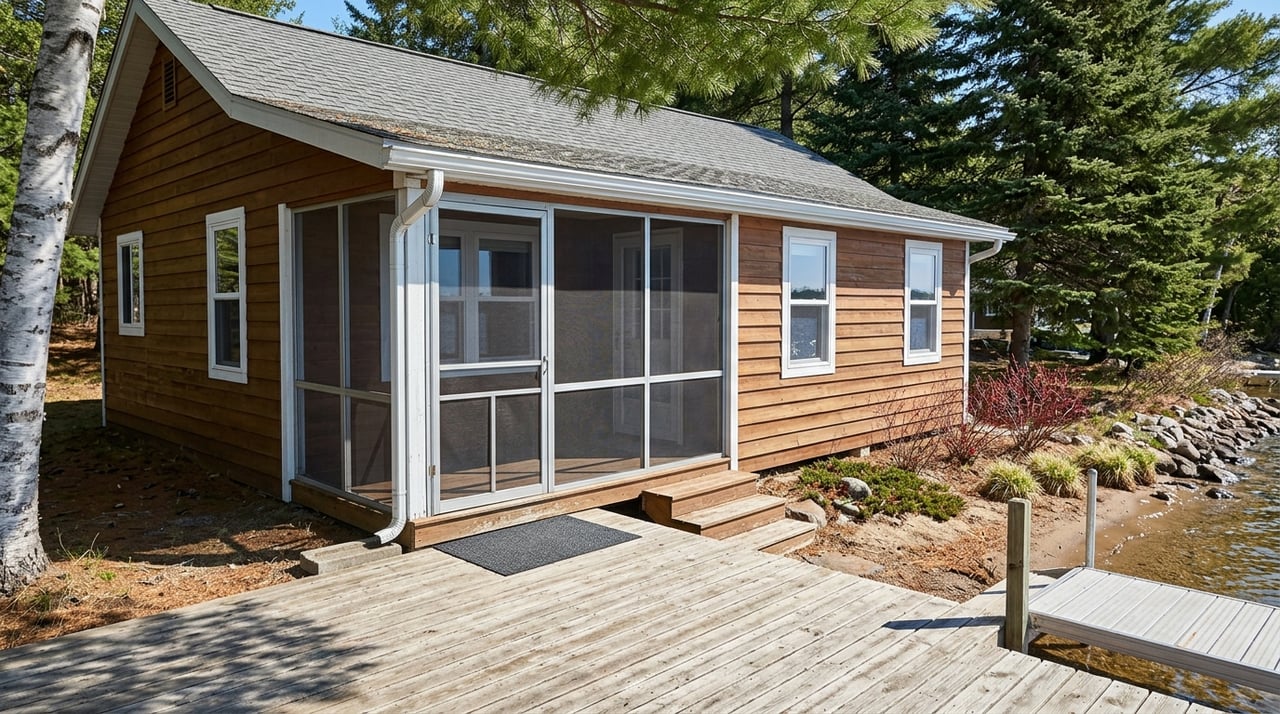
Smaller in-town homes, older properties needing updates, modest lots, or non-waterfront seasonal cabins. Expect 1 to 2 bedrooms, older mechanicals, and basic finishes. First-time or budget-minded buyers often focus here, and well-priced homes can move quickly when inventory is thin.
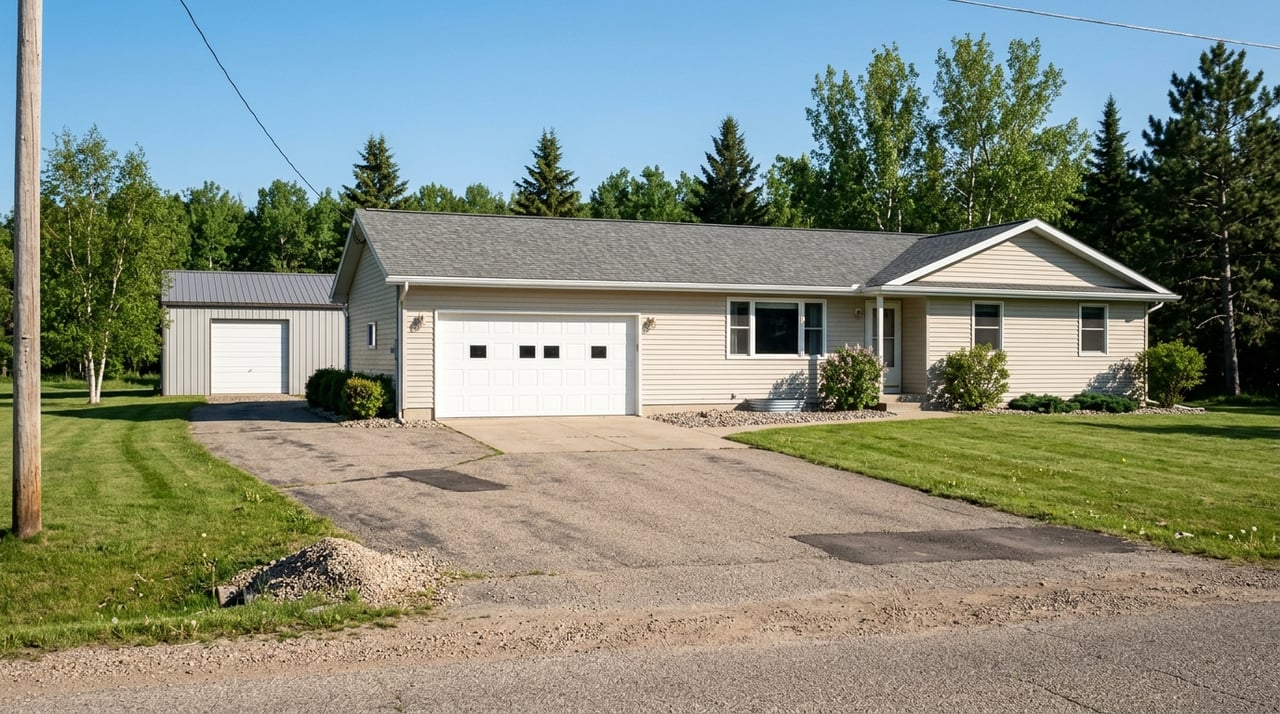
Comfortable year-round homes with 2 to 3 bedrooms, some updates, and good winter access. You may also see near-lake homes without direct frontage. These attract a broad range of buyers, including families and retirees seeking practical layouts, garages, and manageable maintenance.
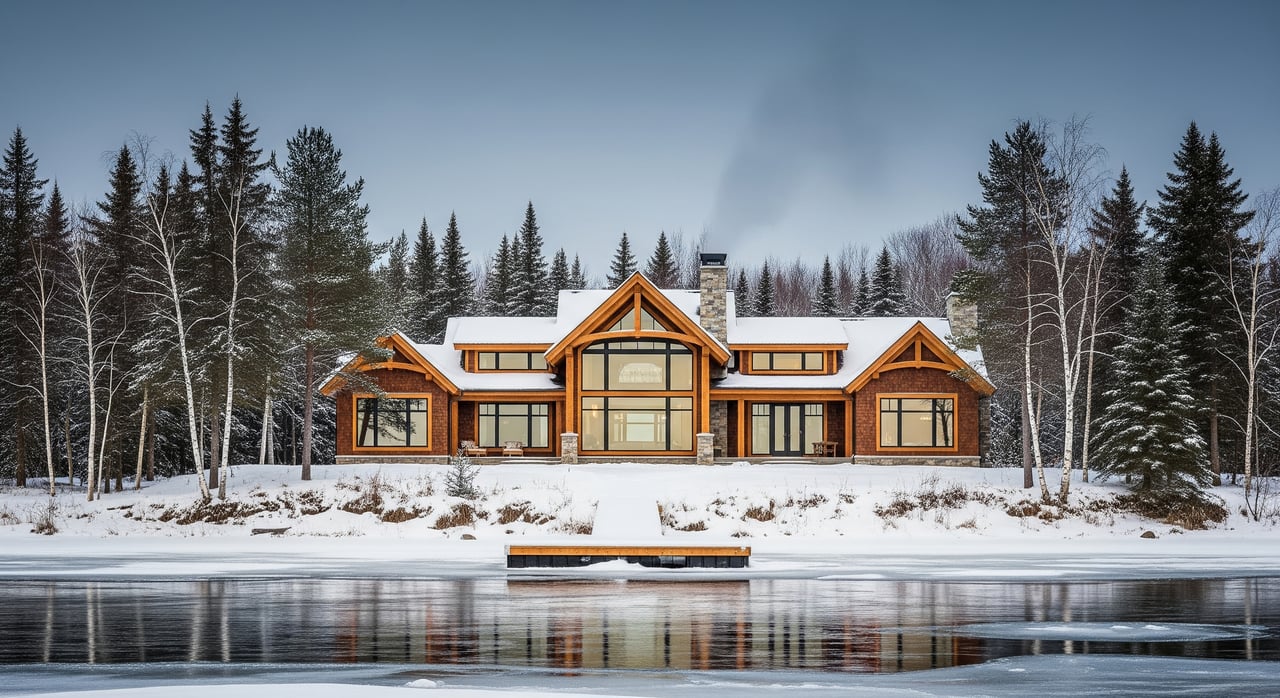
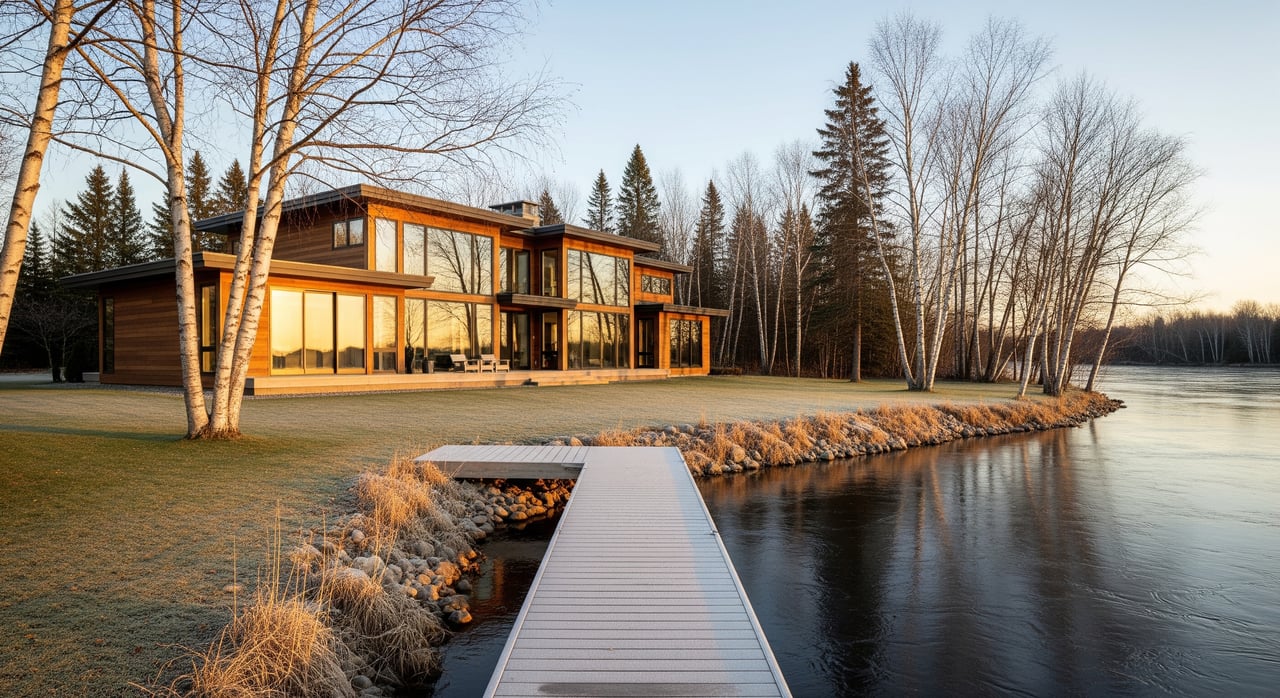
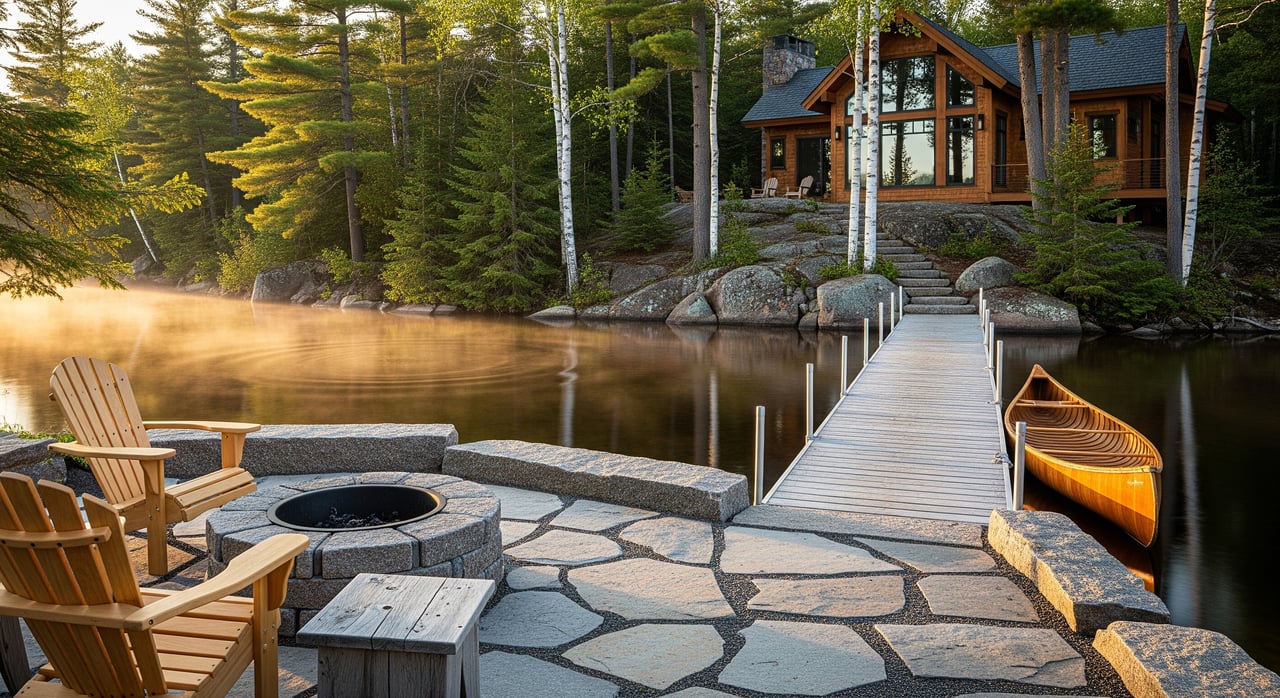
Direct waterfront cabins or homes on Rainy Lake and nearby lakes. Think private docks, lake views, larger parcels, and specialized features like boathouses. Some properties are seasonal with limited road access or winterization. Pricing varies with shoreline quality, depth, dockage, and permits. Second-home and retirement buyers are common here.
In-town homes typically fit standard conventional loans and standard homeowners insurance. Waterfront and seasonal cabins can be different. Lenders may require larger down payments or special loan products when a property is seasonal or lacks typical residential features. Appraisals can be challenging when there are few comparable waterfront sales, so cash buyers are more common in the upper band. Insurance availability and cost vary by location, structure type, and any floodplain exposure. It pays to get quotes early in your process.
Start by checking months of inventory for your segment using a six-month rolling average of sales. Then cross-check with median DOM and sale-to-list ratios.
Use this plain-English checklist to protect your purchase or sale.
For the clearest picture, focus on rolling trends and segment your search.
If you want a tailored snapshot for your address or lake, a local, construction-savvy agent can pull the right six and twelve-month views and talk you through how they apply to your property type and timing.
In International Falls and across Koochiching County, success comes from knowing your segment, reading months of inventory correctly, and timing your move with the season. In-town homes sell on condition, pricing, and practical features. Lake and cabin properties sell on access, shoreline, utility readiness, and presentation. Use rolling data, not one-month spikes, and make decisions with both numbers and local nuance.
If you want clear, no-drama guidance from someone who knows the homes and the lakes, reach out to Cari Rostie. With deep local roots and construction know-how, Cari offers practical advice, strong marketing for shoreline and in-town listings, and steady help from first walkthrough to closing.
With a commitment to customer service second to none, Cari strives to make her buyers and sellers feel as though they are her only clients. In her real estate experience, she has built a strong base of loyal customers through dedication, ethics, and attention to detail. She is now bringing those same attributes to customers throughout Borderland.