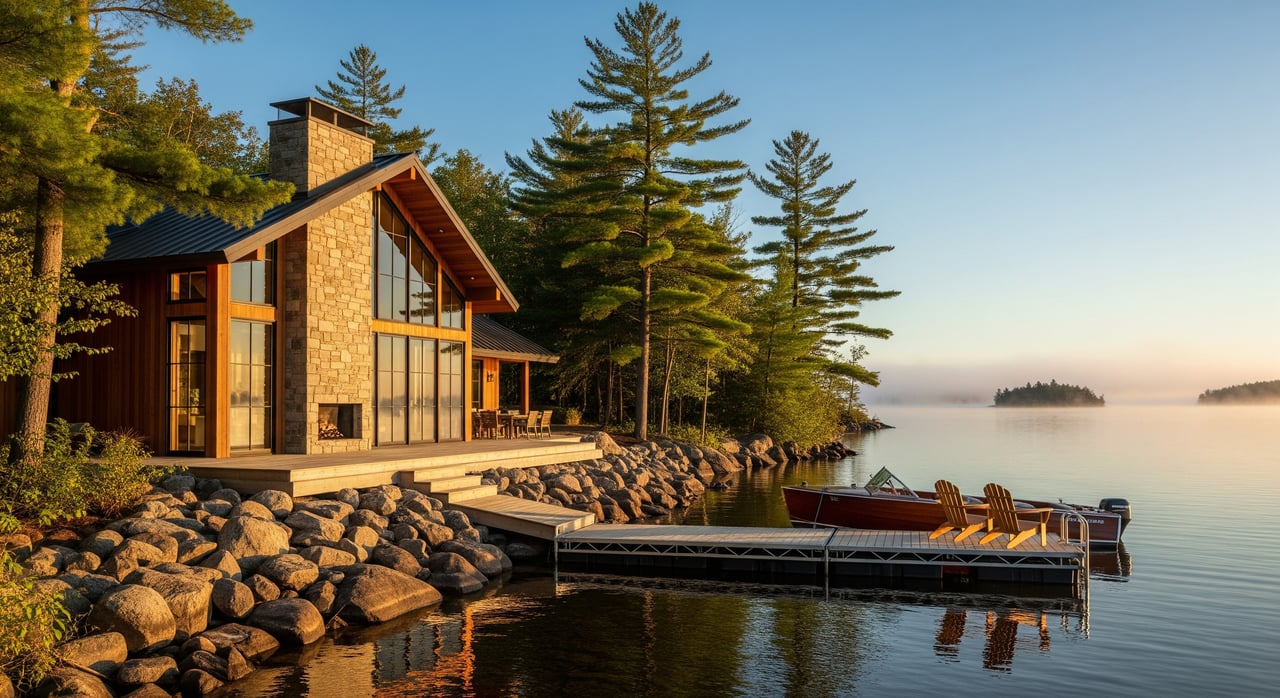
Dreaming about stepping onto your own dock at sunrise, or saving thousands each year while still being just minutes from Kabetogama Lake? Choosing between true lakefront and an off-water home near the lake is one of the biggest decisions you will make in northern Minnesota. You want the right balance of budget, access, privacy, and long-term value. This guide lays out what changes when you buy on the water versus just off it around Kabetogama in Koochiching County, so you can move forward with confidence. Let’s dive in.
What makes Kabetogama unique
Kabetogama Lake sits within the Voyageurs National Park system, which draws boaters, anglers, and seasonal visitors from spring through fall. This seasonal draw supports a strong vacation and second-home market, with most activity clustered in warmer months. It also brings a regulatory overlay that affects some shoreline parcels.
Lakefront lots are finite. Scarcity and summer demand often support a premium for true waterfront compared to nearby off-water homes. Orientation matters too. A sheltered cove can feel very different from an exposed stretch of big water, and that difference influences both lifestyle and value.
Lakefront: what you get
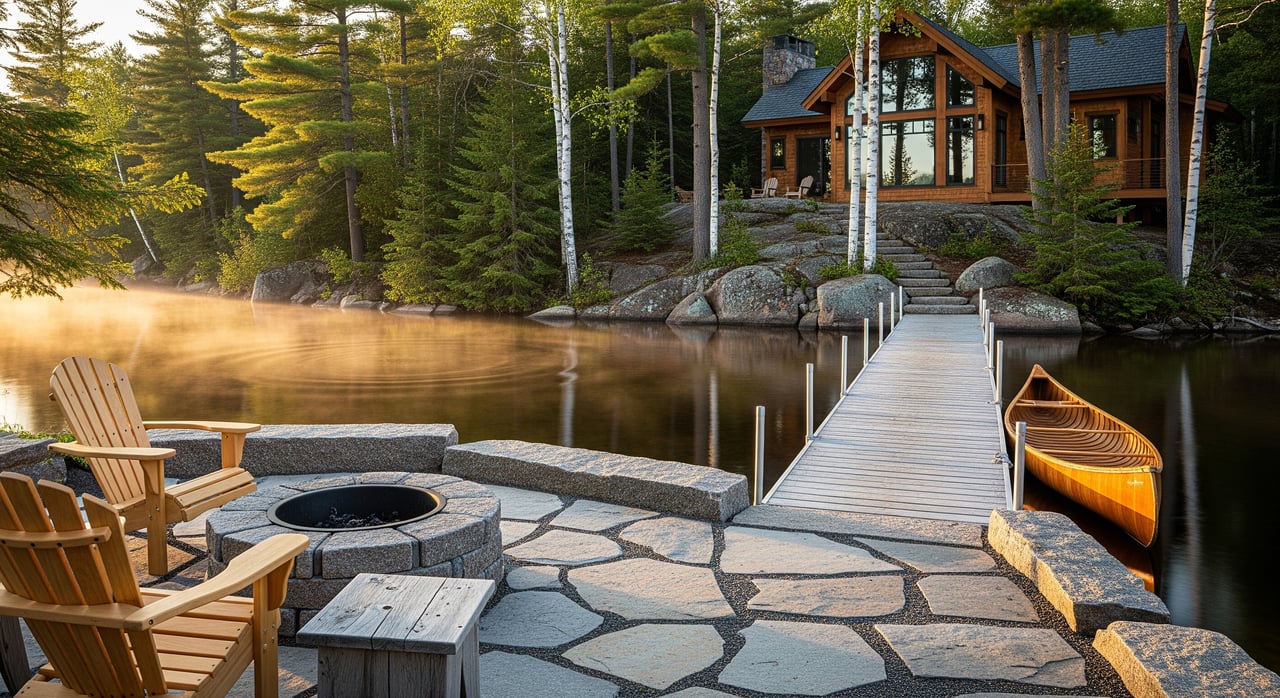
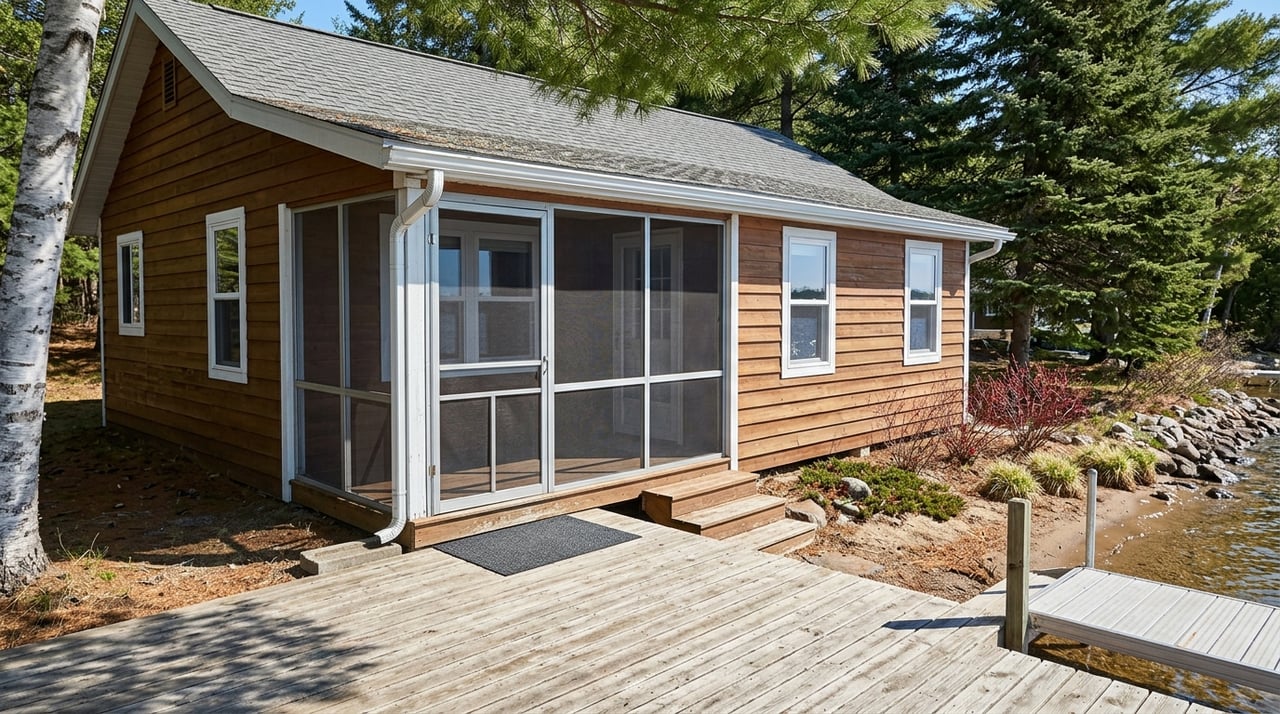
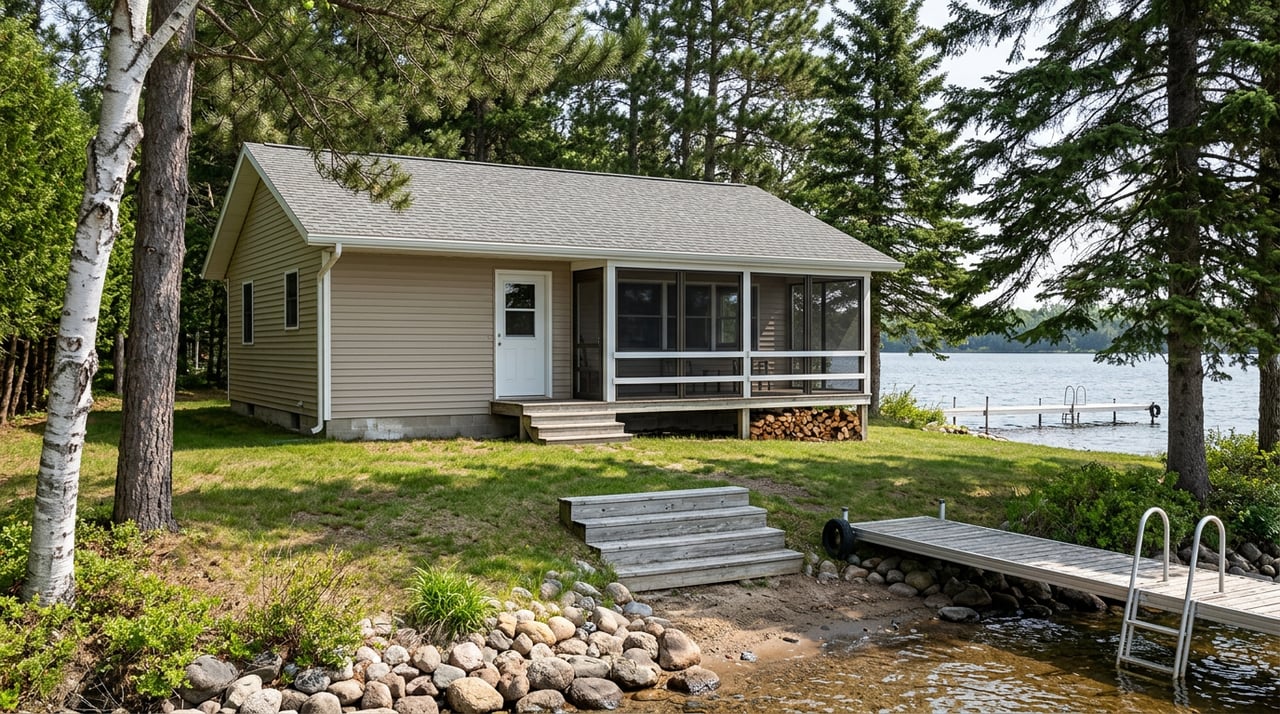
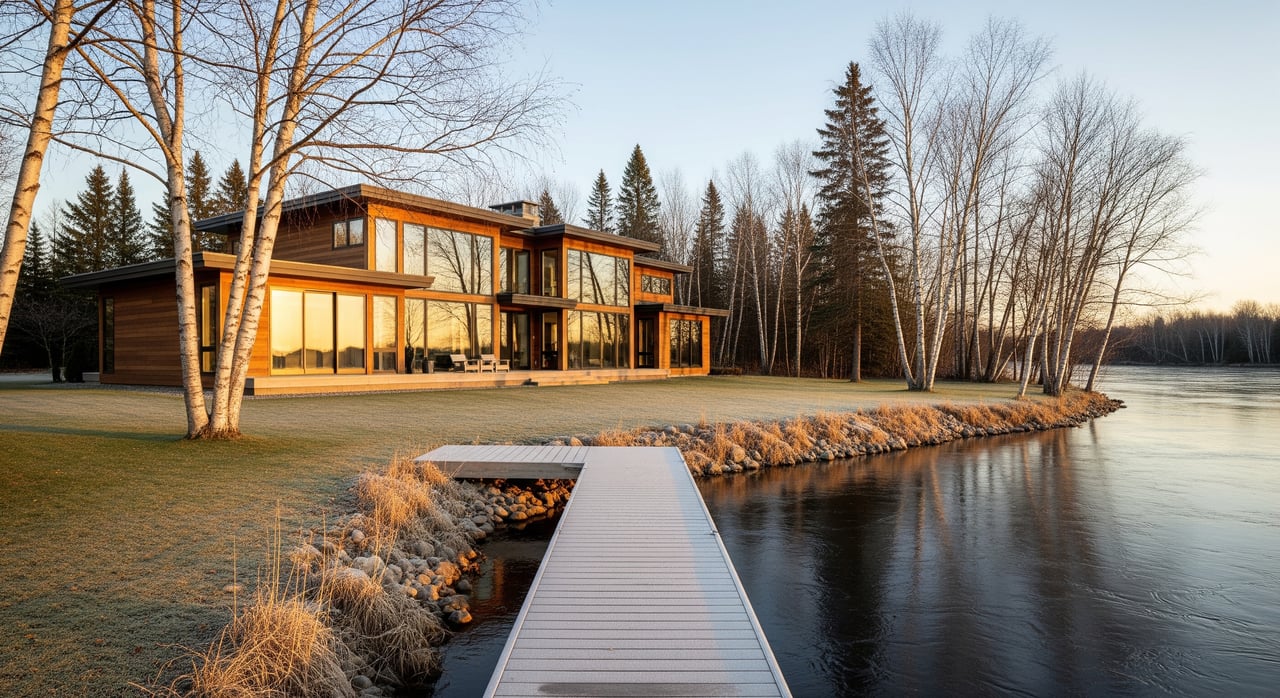
Buying on the water delivers immediate access and the daily experience many people picture when they think “up north.” Private frontage typically allows personal dock use, quick launching, and a stronger connection to the lake day to day. That lifestyle is the primary reason buyers pay a premium for water.
You should also plan for more rules and maintenance. Shoreline properties in Minnesota are subject to shoreland zoning, vegetation protections, and dock size or placement limits. Seasonal weather, wind, and freeze-thaw cycles can increase exterior upkeep and shoreline care.
Off-water near the lake: value and access
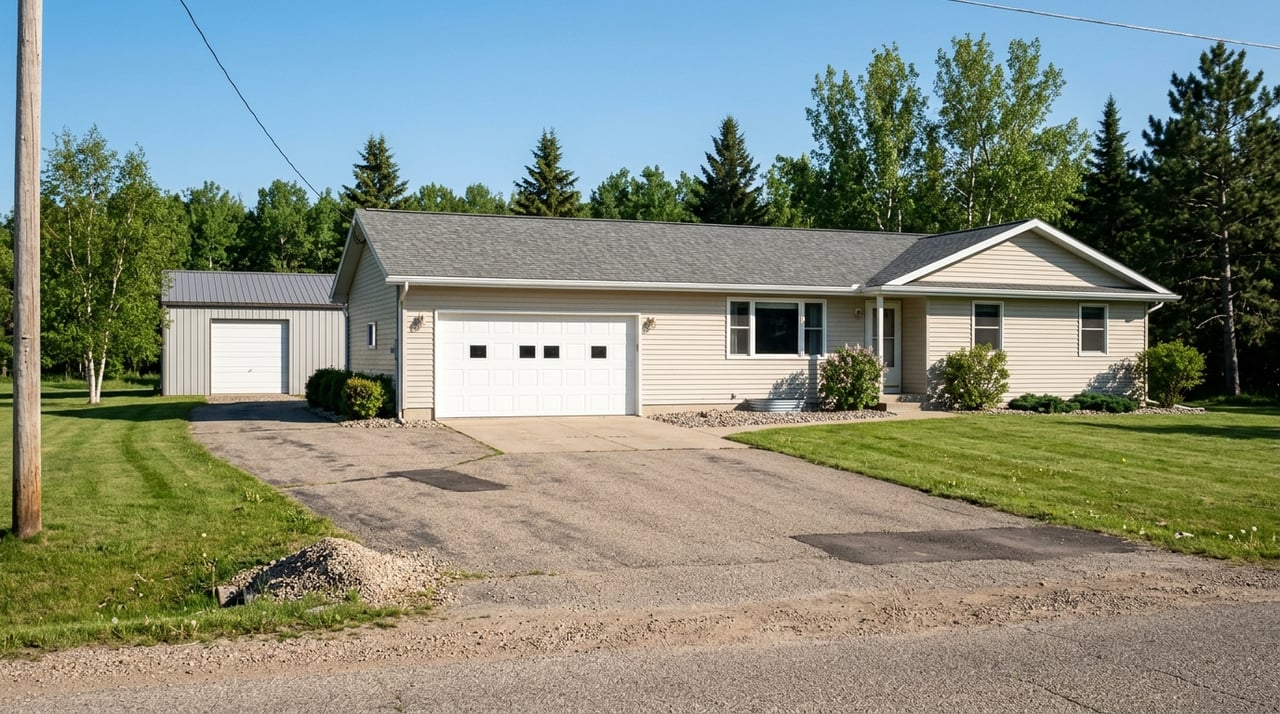
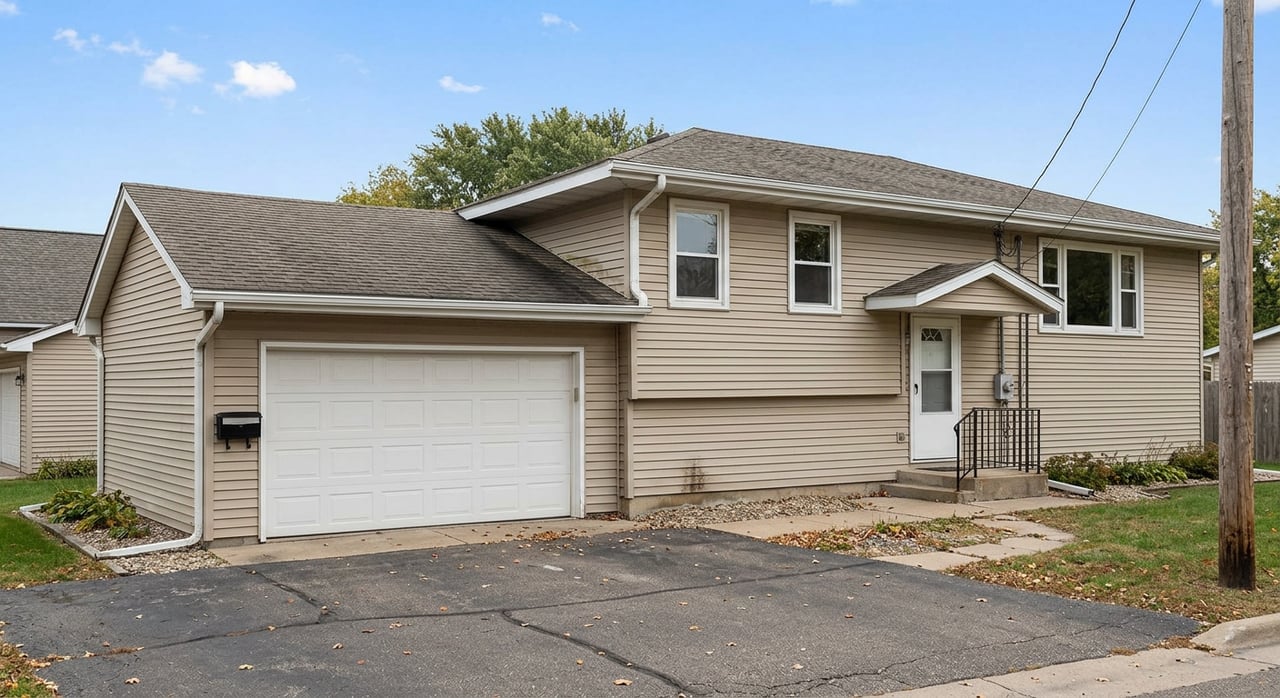
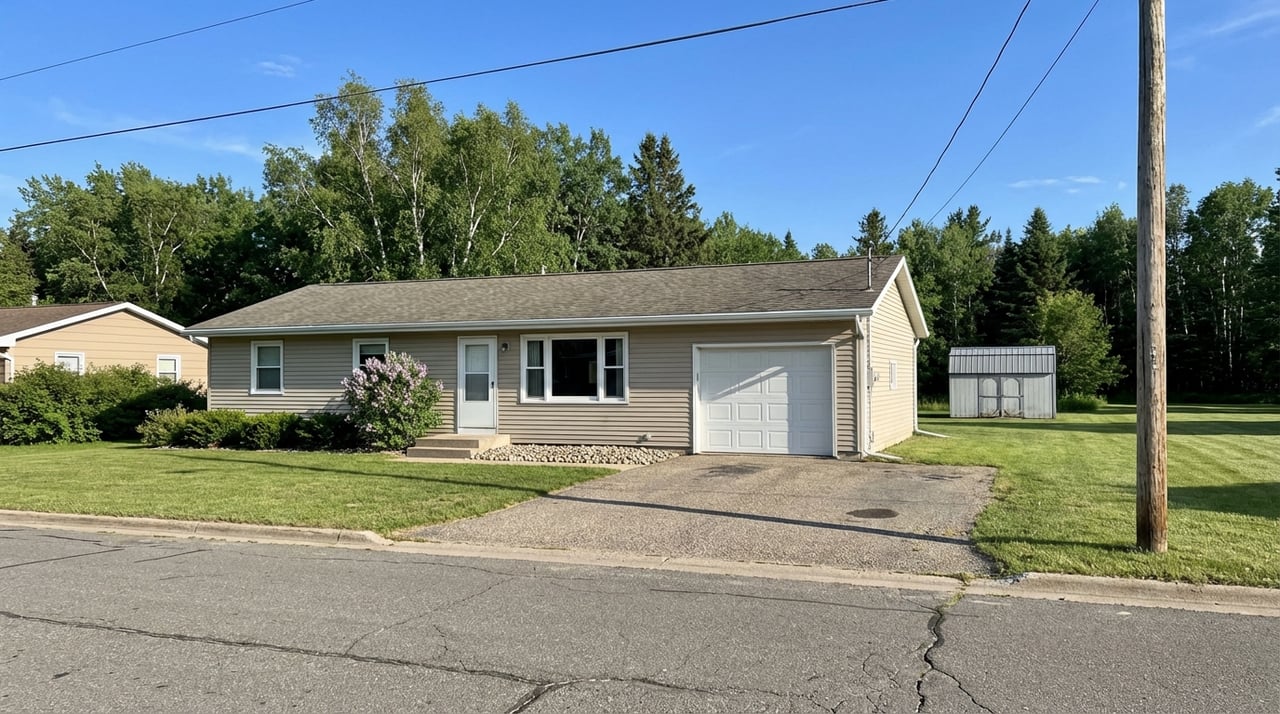
Off-water homes near Kabetogama can deliver much of the experience at a lower cost. You might find deeded lake access, a shared association dock, or easy proximity to public launches. The price gap depends on the specific home, view, and access rights, but off-water properties typically trade under comparable lakefront.
Privacy can be very good off-water if the lot is set back and wooded. You still enjoy quick boat time, winter access to trails, and a quieter setting, especially if you prefer to avoid peak-season shoreline activity.
Cost of ownership: where it differs
A smart decision starts with the total cost of ownership. Here’s how the main categories usually compare around Kabetogama.
Purchase price and taxes
- Waterfront commonly sells at a premium over similar off-water homes. Studies and appraisals often cite a general range of about 20 to 50 percent, but the actual premium is very site specific.
- Property taxes track assessed value. Since lakefront parcels often assess higher, expect higher annual taxes. Always confirm with Koochiching County for the parcel you are considering.
Insurance and risk
- Homeowners insurance on lakefront is often higher due to replacement costs and exposure to wind, ice, and storms. Boat and dock coverage may require additional endorsements.
- Flood insurance is not automatically required on inland lakes. Still, you should review localized flooding or ice damage risks for any shoreline site with your insurer.
Utilities and seasonal operation
- Many lake homes in the area are seasonal or semi-seasonal. Winterization, heating choices, and remote property logistics can add complexity and cost.
- Off-water homes closer to town may have shorter service runs, easier plowing, and simpler year-round access.
Maintenance and recurring costs
- Waterfront-specific costs include dock installation and removal, shoreline stabilization, and more frequent exterior maintenance due to moisture and freeze-thaw effects.
- Both lakefront and off-water rural properties often rely on private wells and septic systems. Budget for pumping, inspections, and eventual replacement.
- Driveway and road maintenance can be higher for lakefront if access is longer or more exposed.
Permits and compliance
- Shoreline vegetation work, retaining walls, and many dock projects require permits and may include mitigation measures. Regulations are enforced locally and by the Minnesota DNR.
- Aquatic invasive species prevention programs, including inspections or decontamination at public ramps, can affect how you use and move boats.
Lifestyle, privacy, and access
Privacy and traffic
- Lakefront privacy varies widely. A quiet stretch can feel secluded, while parcels near public access or popular coves can see higher seasonal traffic.
- Off-water homes can feel more private, especially when screened by trees or set back from the road.
Physical access to water
- Private frontage offers direct swimming and docking, which is the hallmark of lakefront living.
- Off-water options range from deeded easements and community docks to reliable use of nearby public launches. Leasing a slip or arranging shared access can closely mimic the boating experience for less cost.
Winter and seasonal realities
- Ice conditions can limit shoreline amenities in winter. On the other hand, snowmobile routes and ice-fishing access are winter positives for many owners.
- Wind exposure, ice shove, and thaw cycles shape both comfort and maintenance planning on the waterfront.
Regulatory limits you should expect
- Minnesota shoreland rules protect buffers and limit vegetation clearing. Expect selective trimming rather than wide view corridors.
- Docks are common but regulated for size and placement. Some projects require DNR authorization.
- Septic and well codes apply to both property types, with inspections or upgrades sometimes required at transfer or renovation.
Resale dynamics and timing
Buyer pools and marketability
- Lakefront homes appeal to buyers who prioritize private shoreline and are willing to pay for it. Scarcity and visual quality help support resale premiums, although carrying costs can temper demand for some buyers.
- Off-water near-lake homes often attract a broader buyer pool, including full-time residents and value-minded lake users. That can support quicker resale and less price volatility in slower markets.
Seasonal timing and appraisals
- Sales around Kabetogama tend to cluster from late spring through early fall. Winter showings and inspections can be harder, which may lengthen timelines.
- Waterfront comparables are unique. Appraisals rely on other waterfront sales, which can produce more valuation variability than off-water homes with more frequent comps.
Records that help value
- Permitted docks, documented shoreline work, and current septic and well records support buyer confidence and appraisal outcomes.
- Water clarity, view quality, and mature trees influence perceived value at resale.
A simple decision framework
Use these steps to focus your search and avoid surprises.
1) Define your must-haves
- List non-negotiables such as private shoreline, paved road access, or a minimum level of privacy.
- Separate lifestyle wants like a direct dock, wide views, or a shorter drive to town.
2) Estimate annual carrying costs
- Add taxes based on assessed value, insurance for home plus watercraft and dock, utility and heating costs, and routine maintenance.
- Include septic pumping and reserve funds for replacements.
3) Confirm regulatory feasibility
- Review Koochiching County shoreland zoning and Minnesota DNR dock rules before you plan any clearing, paths, or shoreline work.
- If a parcel borders federal land, check Voyageurs National Park guidance.
4) Evaluate access alternatives
- Investigate deeded easements, community or association docks, and proximity to public launches.
- Estimate actual boat times from the closest launch to your favorite fishing or recreation areas.
5) Plan for resale sensitivity
- If you value broad resale liquidity, an off-water near-lake home may offer a wider buyer pool.
- If your top priority is a private, contiguous shoreline, expect to pay a premium and plan for maintenance.
6) Bridge the gap with smart upgrades
- Consider purchasing an access easement or joining a shared dock arrangement when available.
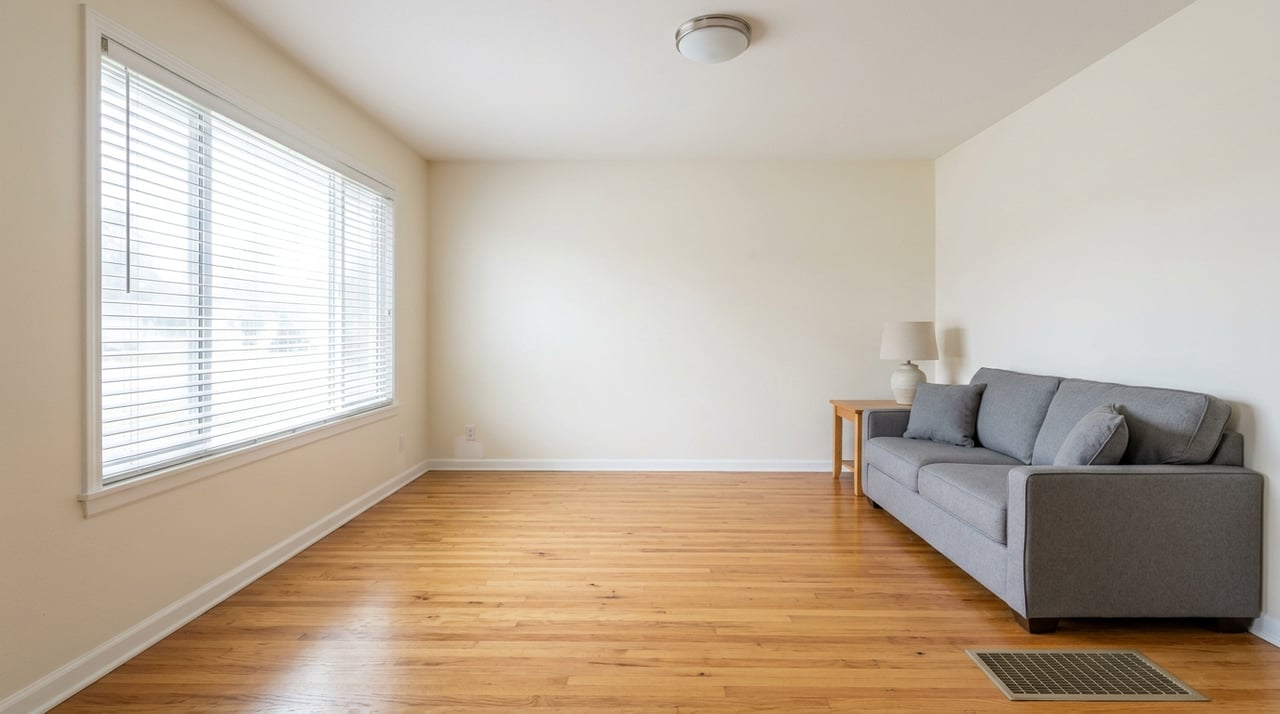
- Create value with permitted paths, terraces, or view-forward decks. Interior upgrades like open living areas and larger windows can capture distant views and elevate the experience.
- Leasing a nearby slip can deliver the boating lifestyle without owning shoreline.
When upgrades cannot substitute
- If you need exclusive, private shoreline, no off-water renovation can duplicate that scarcity.
- If local rules prevent meaningful view clearing or dock installation, you cannot reliably create that access later.
Local checklist for any Kabetogama purchase
- Check Koochiching County assessor records for property history and assessments.
- Review septic inspection records and system capacity with the county or environmental office.
- Confirm DNR guidelines for public access points, AIS status, and dock requirements.
- If near federal land, verify any Voyageurs National Park constraints.
- Gather insurance quotes for the specific property, including any dock or watercraft endorsements.
- Compare recent sales of waterfront and near-lake off-water properties to understand current price differentials.
Which option is right for you?
If daily, private access and the full shoreline lifestyle are non-negotiable, lakefront near Kabetogama is worth the premium. Budget for higher taxes, insurance, and maintenance, and lean into good records and permits to protect resale.
If you want value, privacy, and flexibility without the highest carrying costs, an off-water home near the lake can be a smart fit. With deeded or shared access and thoughtful upgrades, you can enjoy most of the boating and recreation benefits while keeping your budget in check.
When you are ready to compare real properties and understand what the rules allow on a specific parcel, reach out to a local expert who knows the land, the lake, and how to interpret the details. Schedule a consultation with Cari Rostie to talk through options that match your lifestyle and budget.
FAQs
How much more does lakefront cost near Kabetogama?
- Waterfront premiums vary widely by site and market conditions. A general range often cited is about 20 to 50 percent over comparable off-water homes. Use recent local comps to verify.
Can I add a dock or clear trees for a view?
- Often possible but regulated. Shoreland rules limit vegetation removal and docks must meet size and placement standards. Always confirm permits before planning work.
Are lakefront homes more expensive to insure?
- Usually yes. Premiums can be higher due to exposure and replacement costs, and docks or boats may need added endorsements. Check quotes for the specific property.
Will an off-water home resell as quickly as lakefront?
- Off-water near-lake homes often have a broader buyer pool, which can support faster resale. Lakefront can command higher prices but may be more specialized.
How do I confirm legal lake access off-water?
- Verify deeded easements, recorded rights, and any association rules in the title work. Review the documents and consider title insurance to protect your interests.