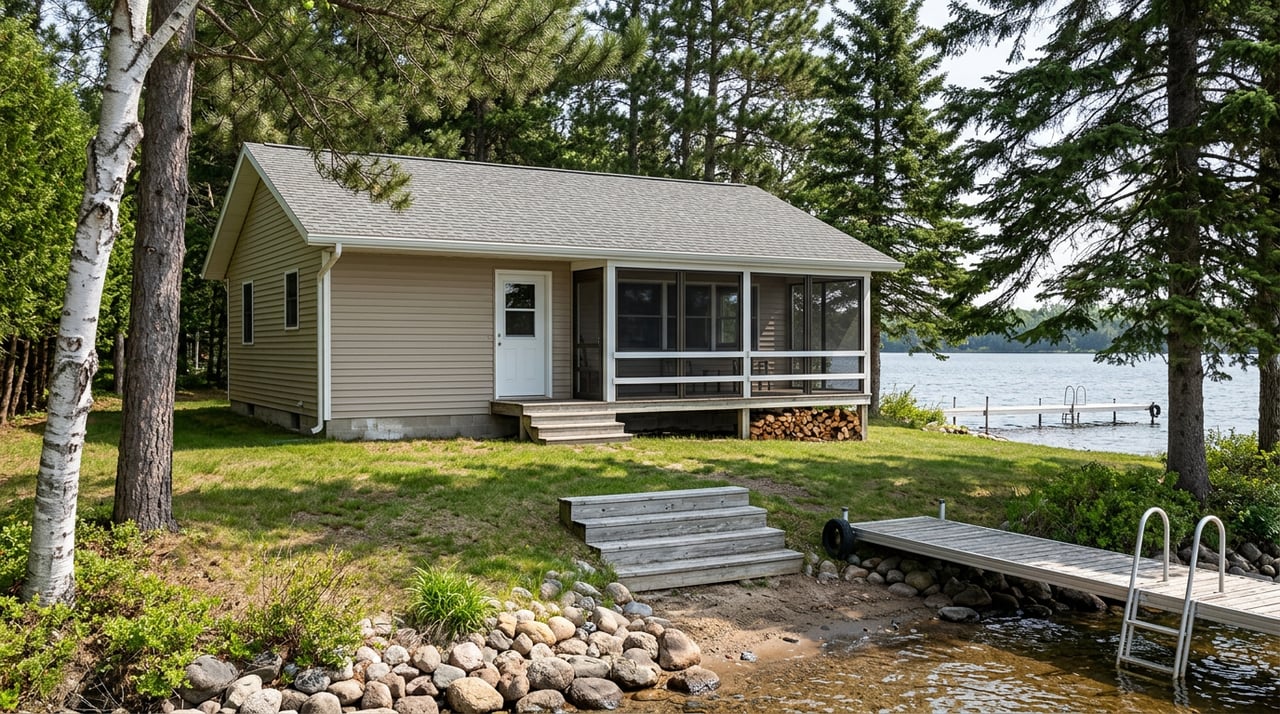
Buying A Cabin Or Second Home On Lake Kabetogama
March 5, 2026
March 5, 2026
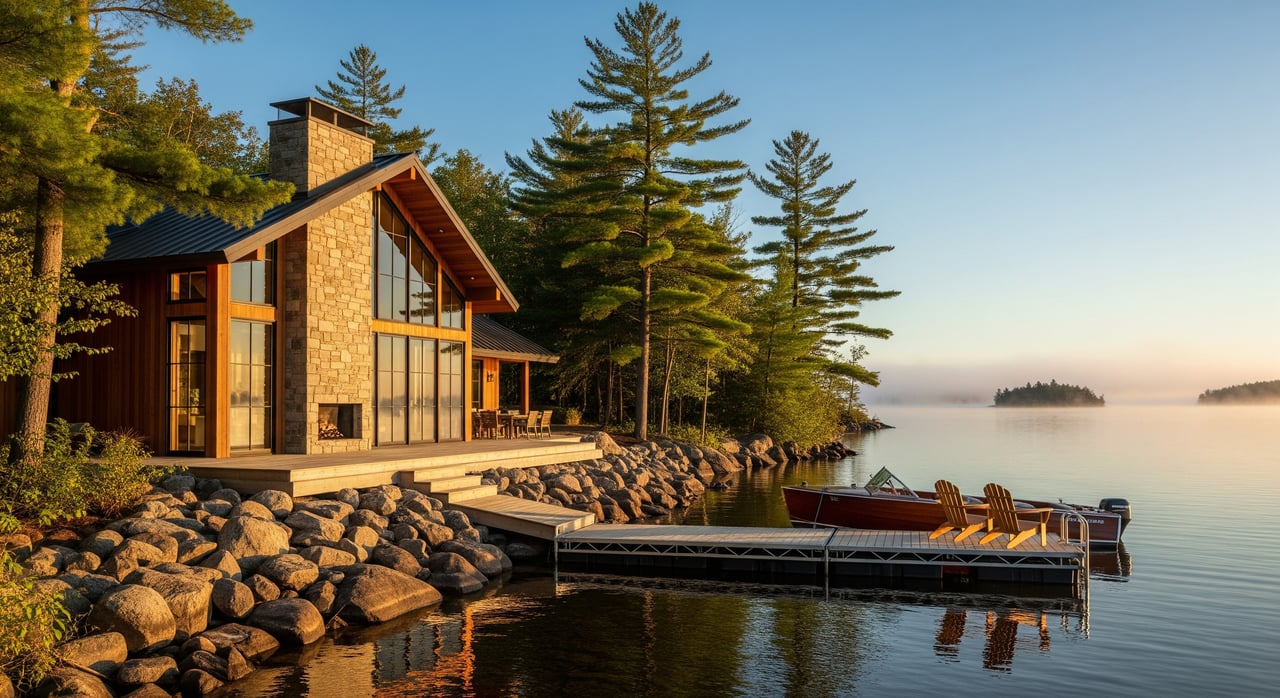
Picture yourself easing a boat into a quiet bay at sunset, loons calling and dinner on the grill. If you are thinking about a cabin or second home on Lake Kabetogama, you are not alone. This big water, island‑studded lake offers a rare mix of scenery, fishing, and direct access to Voyageurs National Park. In this guide, you will learn what makes Kabetogama unique, how shoreline and dock rules work, what to check for septic and wells, and a step‑by‑step process to buy with confidence. Let’s dive in.
Lake Kabetogama is large, deep, and full of islands and bays. That big‑water character affects everything from wave exposure to dock design and winter ice behavior. For a quick lake overview, start with the Minnesota DNR’s LakeFinder page for Kabetogama Lake.
The lake is a main gateway to Voyageurs National Park. Park waters, tour boats, and visitor centers drive seasonal activity and rules that differ from more typical cabin lakes. Before you buy, look over the National Park Service page for current permits and reservations that may apply on or near park lands.
Finally, confirm your parcel’s county. Kabetogama properties sit near a county boundary, and parcel‑level jurisdiction can vary. Zoning, shoreland rules, septic administration, and tax assessment are county‑specific. You can verify records with the Koochiching County Assessor.
Ask specific questions about the shoreline. What is the composition at the water’s edge (rock, sand, gravel, or wetlands)? How steep is the slope? How deep is the water just off shore? These details matter for safe docking, swimming, septic siting, and landscaping. Cross‑check lake data using the DNR’s LakeFinder and request a shoreline or lot survey during due diligence.
In Minnesota, the Ordinary High Water Level (OHWL) often marks the boundary between private land and public water. This line guides where you can place docks or do shore work. Review the DNR’s overview of public waters permit requirements to understand setbacks and limits.
Many small seasonal docks and lifts do not require a DNR Public Waters Work Permit if they meet specific criteria. Larger mooring structures, marinas, or certain shoreline alterations may need permits and local approval. Always confirm both state guidance and county shoreland ordinances using the DNR’s docks and shoreline guidance and contact Koochiching Planning & Zoning.
Kabetogama has public boat accesses and a visitor‑center launch that serve the park and local communities. Knowing where these are helps you anticipate boating patterns and seasonal activity. Use the DNR’s LakeFinder to locate access points.
If a property sits inside or right next to Voyageurs National Park, additional federal rules may apply. These can include seasonal removal of vessels from certain waters or closures to protect wildlife. Before you assume anything about use and access, verify inholding status and review NPS details on permits and reservations.
Minnesota law requires sellers to disclose how sewage is handled and to share available inspection records. If a system is not certified, counties may require a compliance inspection, certificate, or escrow agreement. Learn the basics under Minnesota Statutes Section 115 and plan for a licensed SSTS inspection as part of your offer.
For wells, Minnesota’s Department of Health requires a written well disclosure at closing. Ask for well construction or repair records and plan to run a standard domestic water test panel. Read the MDH guidance on well disclosure for property transfers.
Many properties in the Kabetogama area are served by rural electric cooperatives, including North Star Electric. Confirm service capacity, meter location, and whether upgrades are needed for year‑round heat.
Internet service can vary. Some areas remain unserved at 100/20 Mbps, and many owners rely on DSL where available, fixed wireless, or satellite. Check coverage early using the county’s profile on Blandin on Broadband.
Year‑round occupancy requires more robust systems. Look for frost‑protected foundations, reliable heating, good insulation, and plumbing that is protected against freezing. Ask how the road is maintained in winter. Is it county‑plowed, township‑maintained, or private with an owner association agreement? Koochiching County’s Planning & Zoning team can clarify road status and permits on their applications and permits page.
If you prefer a seasonal setup, plan on safe winterization each fall. That includes shutting down water, protecting the septic line, and confirming boat and dock removal timelines where required.
Follow these local steps to protect your investment and avoid surprises.
Verify parcel jurisdiction and records. Ask for the parcel ID, then confirm the county and township with the Koochiching County Assessor. Rules for shoreland, septic, and taxes depend on county.
Request well and septic documents in your offer. Require the MDH well disclosure, well construction/repair records, recent water tests, and any SSTS inspection or certificate. See MDH well disclosure guidance and Minnesota Statutes Section 115.
Order inspections and surveys. In addition to a standard home inspection, arrange a licensed SSTS inspection, a domestic water test panel, and a lot/shoreline survey that shows the OHWL and exact frontage.
Confirm dock and shoreline plans with authorities. Discuss your intended dock size, mooring spaces, lifts, and any riprap with Koochiching Planning & Zoning using their permits page. Check state criteria for public waters permit requirements and docks guidance. If near park lands, verify any NPS limits.
Check aquatic invasive species (AIS) status. Plan for inspections or decontamination if needed, especially if you boat on multiple lakes. Review local programs through the Koochiching SWCD’s AIS page.
Confirm utilities and road maintenance. Verify electric service provider and capacity, heating fuel options, and which internet providers serve the parcel. Confirm whether the access road is publicly maintained or private with an agreement.
Review flood and insurance factors. Use FEMA flood maps to see if special insurance or elevation documentation might apply. Ask the seller whether an Elevation Certificate exists.
Understand taxes and classification. Ask how the assessor classifies the parcel today and whether a change to homestead status is possible if you plan year‑round use. Start with the Assessor’s office for current guidance.
Check title, easements, and water rights. Look for recorded shoreline easements, dock rights, road access, and any shared maintenance agreements. Confirm whether any land or islands between your lot and open water are publicly owned or park lands.
Write clear contingencies. Include well and septic compliance, time for county/DNR permits if you plan shoreline work, and an escrow or winter agreement if frozen conditions delay inspections.
Beyond purchase price, budget for inspections, water testing, septic repairs or upgrades, dock and lift needs, shoreline stabilization, and potential park or county permits. If you plan to rent seasonally or host frequent guests, account for extra wear, boat traffic, and AIS inspection logistics.
Buying on a big northern lake is different than a typical suburban purchase. You want an agent who knows the shoreline rules, park context, and the nuts and bolts of cabins. With deep local roots and construction know‑how, Cari helps you evaluate septic systems, docks, winter access, and improvement plans with a practical eye. If you are considering a cabin or second home on Kabetogama, reach out to Cari Rostie to talk through your goals and next steps.
With a commitment to customer service second to none, Cari strives to make her buyers and sellers feel as though they are her only clients. In her real estate experience, she has built a strong base of loyal customers through dedication, ethics, and attention to detail. She is now bringing those same attributes to customers throughout Borderland.